If your social listening insights aren’t driving action, the issue isn’t your tools. It’s how your organization is designed to use what it hears.
That’s the uncomfortable truth behind why social care, and social listening in particular, continues to stall inside complex and regulated organizations.
Teams keep asking the wrong question: Who owns social care? When the real question is: How do we orchestrate the listening into action?
Let’s unpack why this debate won’t die, and what high-maturity organizations do differently. If you work inside a regulated, multi-team organization where social insights surface early but action comes late, this will sound familiar.
The ownership question that keeps getting organizations stuck
Here’s what usually happens.
Marketing believes social care belongs to them because it happens on social platforms. Customer experience argues it’s part of the end-to-end journey. Support teams are already responding to customers daily. Comms worries about risk and brand exposure. And leadership just wants it to work, without escalation.
Sound familiar?
This tension is most evident in regulated industries. Financial services. Healthcare. FinTech. B2B brands with compliance constraints.
When social care fails here, it’s more than frustrating. It’s risky.
But despite all the friction, ownership isn’t actually the core issue. The real breakdown happens after social listening surfaces insights.
Where social listening breaks inside regulated organizations
Most organizations don’t struggle with collecting social data. Nope. They struggle with acting on it.
- Social platforms surface patterns early.
- They detect churn signals before tickets spike.
- And capture cultural context before campaigns fall flat.
- They also hear objections long before sales does.
Yet those insights often stall. Why? Because social listening is treated like a channel responsibility instead of organizational infrastructure.
When teams debate who responds, who approves, and who reports, they miss the more important questions:
- Who interprets the signals?
- Who escalates insights across teams?
- And who turns patterns into decisions?
Without clear orchestration, insights stay trapped in dashboards.
Insight without influence is just reporting
Here’s the hard truth many teams don’t want to hear: Insight without influence becomes reporting, and reporting without action is just noise.
When insights stall, organizations don’t just miss opportunities. They absorb preventable risk, erode trust, and respond after narratives have already formed.
This is why social listening feels underwhelming in so many organizations. Not because the data lacks value, but because the people closest to the signal aren’t empowered to act.
In regulated environments, this gap is even wider. Authority is distributed across legal, compliance, risk, CX, brand, and leadership. And every layer adds friction.
The result?
Your tools detect issues early, but action often comes too late. According to Forbes, this highlights the need for teams to understand the strategic value of social listening insights rather than treating them as raw data points.
What the State of Social Care reveals about ownership models
In the State of Social Care Report 2026, four common social care ownership models show up repeatedly:
- Marketing-led
- Customer experience (CX)-led
- Support-led
- Hybrid or hub-and-spoke
Here’s the key insight. No single ownership model guarantees success. Alignment does. High-maturity organizations don’t obsess over where social listening “lives.” They design systems where insights travel.
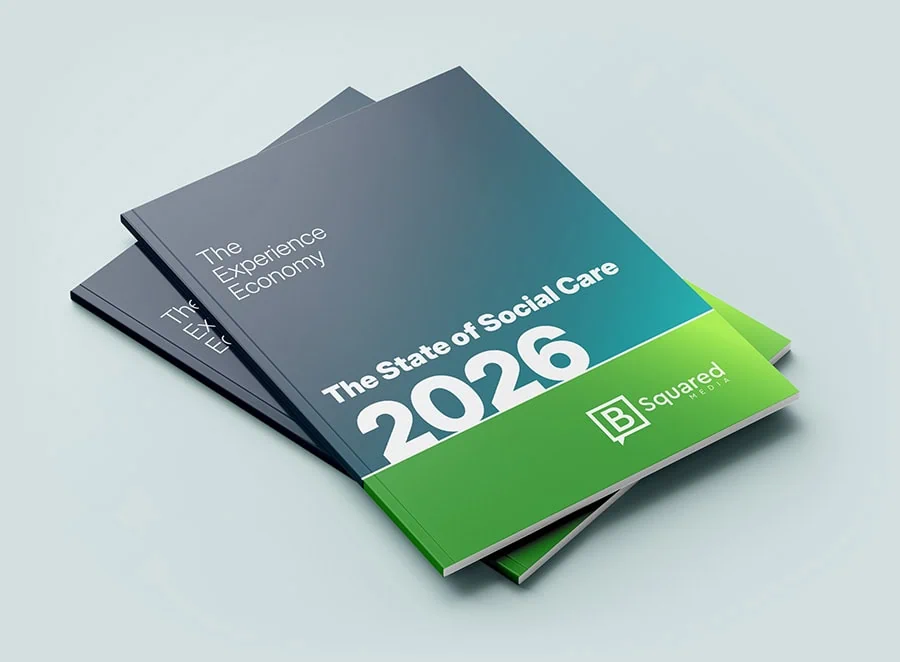
Download The State of Social Care 2026 NOW!
What high-maturity organizations do differently
Organizations that mature past the ownership debate share a few common traits.
- First, they treat social listening as decision intelligence, not content analytics.
- Second, they distribute accountability instead of hoarding control.
- Third, they ensure insights don’t die in silos.
This is where social listening becomes so much more than monitoring. It becomes foresight. And foresight only matters if leadership listens, and acts.
Social listening as strategic intelligence, not monitoring
One of the clearest examples of this shift comes from The Hershey Company, where social listening is integrated into broader strategic planning.
Paige Walker, Manager of Cultural Intelligence and Trends, describes social listening as a way to plan for what might happen — not just what already has.
Social listening helps brands:
- Analyze how competitors handled similar situations
- Quantify whether an issue deserves attention
- Understand what consumers want before they explicitly ask
But this only works when social data has a seat at the table alongside other business intelligence. Education, advocacy, and cross-functional communication turn social listening from monitoring into maturity.
Why executive buy-in changes everything
Social listening isn’t about prettier dashboards. As we said above, it’s about foresight. And foresight only works when executive teams understand its value.
In high-maturity organizations, we consistently see:
- Shared success metrics across marketing, CX, and support
- Clear escalation paths for social listening insights
- Executive sponsorship for social intelligence
- Governance that prioritizes learning over control
This matters even more in regulated industries, where speed and safety must coexist.
When leadership supports social listening as infrastructure, teams stop fighting turf wars. And start solving problems.
Social listening is the connective tissue of the organization
At its best, social listening becomes the connective tissue between:
- Customers and leadership
- Sentiment and strategy
- What’s happening now and what’s coming next
It bridges the gaps that internal reporting never will. But only if organizations are designed to let insights move. Otherwise, social listening stays stuck at the surface.
Employ this simple audit to reveal your orchestration gap
Before reorganizing teams or investing in new tools, try this exercise.
Draw two columns. In column one, write who officially owns social care. In column two, write who customers think owns it.
Then ask yourself:
- Where do these diverge?
- What breaks when they do?
- Where does social listening actually live?
- Who is empowered to act when something goes wrong? Especially after approvals?
If insights show up but action doesn’t follow, you don’t have an ownership problem. You have an orchestration gap. And orchestration gaps don’t fix themselves without intentional design.
Pro Tip: Treat social listening like infrastructure
Stop positioning social listening as a reporting function.
Design it like infrastructure.
Infrastructure doesn’t belong to one team.
It supports the entire organization.
When social listening is treated this way, it becomes resilient — even in regulated environments.
Frequently Asked Questions About Social Listening
What is social listening in customer experience? Social listening in customer experience involves monitoring and analyzing social conversations to identify sentiment, emerging issues, and unmet needs. Unlike basic monitoring, it focuses on patterns and insights that inform decisions across CX, support, marketing, and leadership.
Why does social listening fail in large organizations? It fails when insights lack influence. In large organizations, insights often stall due to unclear escalation paths, siloed teams, and governance models that prioritize control over learning and action.
How is social listening different from social monitoring? Social monitoring tracks mentions and activity. And listening interprets meaning, context, and trends. Listening focuses on why conversations happen and what they signal, not just volume or reach.
Who should own it? No single team should own social listening outright. High-maturity organizations treat it as shared infrastructure, with clear accountability for interpreting insights, escalating risks, and acting across teams.
How can teams act faster on customer signals without adding risk? Teams move faster when signals follow clear escalation paths and shared metrics. Speed doesn’t come from skipping approvals. It comes from knowing who can interpret patterns, who can decide, and when action is required. When roles are clear, responsiveness and compliance can coexist.
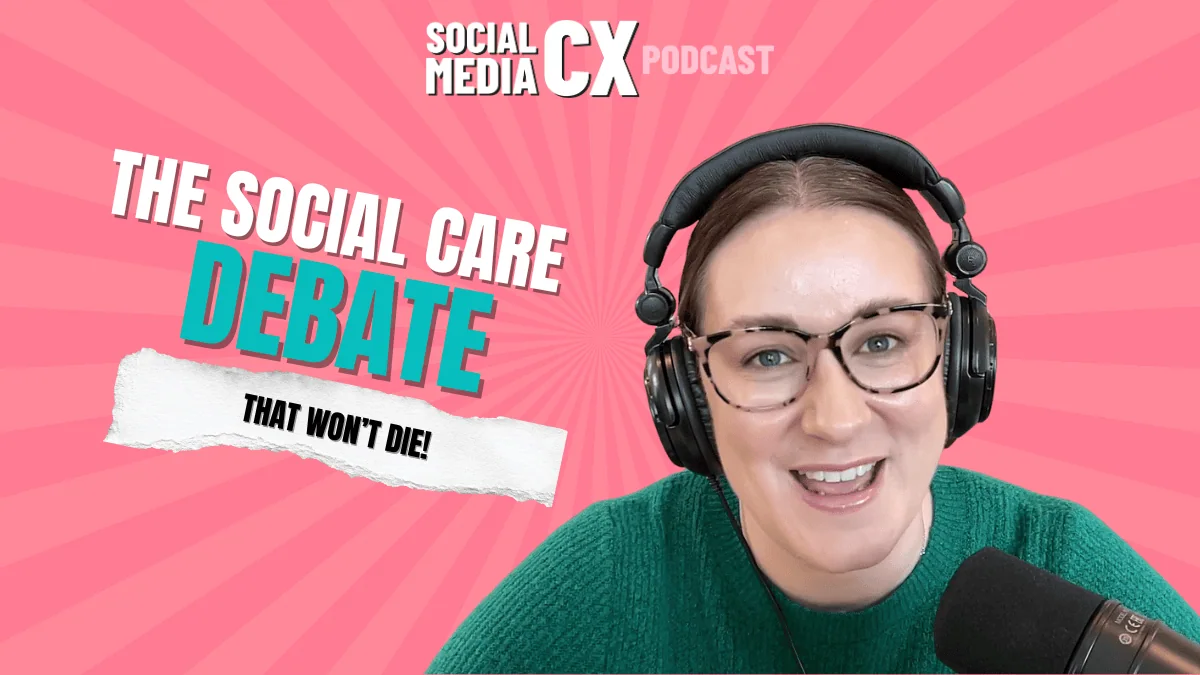
Listen to the episode, now:
Final takeaway: Stop asking who owns social listening
Listening tasks don’t fail because teams don’t care. They fail because organizations aren’t designed to act on what they hear.
When you stop asking who owns social listening and start designing how insights move, everything changes. All of the conversations form your strategy. And your actions follow the insight gained.
What’s one place where social listening insights get stuck inside your organization? And what would change if action moved faster? Let us know in the comments section below!

Latest posts by Brooke B. Sellas (See All)
- Customer Experience Truths Happen In Real Time - February 4, 2026
- Social Listening: The Problem Isn’t Your Tools! - January 28, 2026
- Predictive Social Care: The Mindset Shift Most Teams Need! - January 21, 2026