
Customer Experience Truths Happen In Real Time
Table of Contents
Customer experience doesn’t break during big launches. Instead, it breaks in small, real moments that customers actually remember.
Those moments either move someone forward with confidence or quietly erode trust. And many brands don’t realize what’s happening until it’s too late.
That’s the gap between designed experience and lived experience. And it’s exactly what came up in my conversation with CX expert Jeannie Walters on the Social Media CX Podcast.
Why “Good CX on Paper” Still Fails in Real Life
Most organizations believe they have customer experience handled.
They have journey maps. And they have mission statements and dashboards. But customers still get lost, literally and emotionally.
The problem? Those tools reflect internal logic, not real-world behavior.
Customers don’t move through experiences in neat stages. They’re distracted. Impatient. Multitasking. Living their lives while trying to get something done. That’s where customer experience moments of truth actually show up.
What Moments of Truth Really Mean in Customer Experience
Moments of truth aren’t dramatic blowups. They’re micro-interactions that either help a customer confidently take the next step or introduce hesitation, friction, or doubt.
Jeannie calls these micro moments, which matter more than most leaders realize.
- Missing signs.
- A confusing handoff.
- Delayed responses.
- Policies explained without empathy.
None of these feel catastrophic on their own. But stacked together, they quietly damage trust.
Customers rarely explain why they leave; they just stop trying.
Where Organizations Get CX Wrong First
The biggest CX mistake isn’t bad intent. It’s misplaced accountability.
Most employees aren’t evaluated on customer experience. They’re evaluated on efficiency, output, or compliance. So CX becomes “someone else’s job.”
That’s why many teams confuse process maps with journey maps, assuming that if something works internally, it must work for customers.
Guess what? Customers don’t care how your system works. They care whether they can move forward easily.
The Leadership Blind Spot: Small Friction Adds Up
One of the most common surprises leaders face during CX audits? The “obvious” things no one questioned.
- Customers getting lost.
- Instructions that only make sense to insiders.
- Workarounds teams normalize instead of fixing.
Nobody reports these issues directly. Customers just adapt or leave. That’s why frontline signals matter more than polished presentations.
If your customers keep asking the same questions, something upstream is broken.
Why Most CX “Strategies” Aren’t Strategies at All
Many companies confuse goals with strategy.
Wanting a higher NPS isn’t a strategy. Neither is tracking satisfaction scores.
A real customer experience strategy answers:
- Who are we to our customers?
- What promise do we consistently keep?
- What trade-offs are we willing to make?
For practical frameworks and insights on building a strong customer experience management strategy, see this article from Sprout Social.
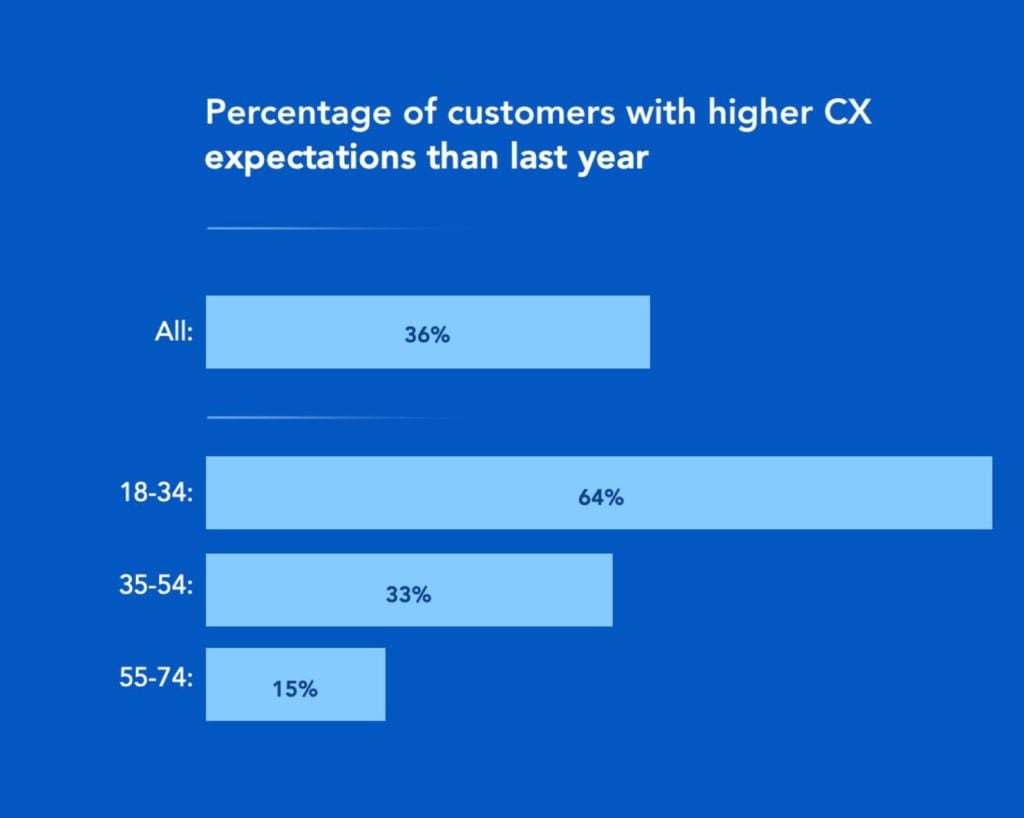
[Image Source = Sprout Social]
Mindset, Strategy, Discipline: The CX Framework That Works
Strong customer experience requires three things working together.
Mindset: Align Around Who You Are
If teams can’t articulate what your brand stands for in practice, customers feel it immediately.
Consistency builds trust. Guesswork erodes it.
Strategy: Focus on Outcomes, Not Metrics
Metrics measure progress. They aren’t the end goal.
Real CX strategy focuses on retention, effort reduction, and trust-building behaviors.
Discipline: Turn Insight Into Action
Journey mapping isn’t the deliverable. Behavior change is.
Mapping should expose friction and trigger decisions — not live in a slide deck.
People, Process, or Systems? It’s Rarely Just One!
Low CX scores often get pinned on frontline teams. That’s usually wrong.
When systems are broken, even great employees can’t fix the experience.
Disconnected platforms.
Manual overrides.
Policies that create delays.
Customers don’t care where the failure lives internally. They experience it as one brand.
Why Customers Turn to Social When CX Breaks
Social isn’t a separate channel to customers. It’s the fastest path to a human. When phone, chat, or email fails, customers escalate publicly. Not because they want attention, but because they want resolution.
That’s why having a dedicated social media support team matters when customer experience is tested in real time. And why social media customer experience is often a trust test.
Those delayed responses, your canned language, and confusing handoffs? All of it plays out in public where everyone is watching.
Authenticity Beats Perfection in Public Moments
Customers don’t expect miracles, but they do expect honesty.
They want:
- Clear explanations
- Real empathy
- Transparent boundaries
Brands that handle moments of truth well know exactly who they are, and how to show up consistently, even when the answer is “no.”
You don’t need to be everything to everyone, but you need to be reliable.
Fragmented Ownership Creates Invisible Friction
When CX responsibility is split across teams, customers feel it immediately.
“Wrong department.” “Different system.” “Try another channel.” In real life, that would never fly. However, digitally, it happens every day.
The more fragmented ownership becomes, the more customers do the work brands should be doing.
Fix Root Causes, Not Symptoms
High-performing teams resolve tickets and study patterns.
- Repeated questions aren’t noise, they’re insight.
- Escalations signal friction.
- Workarounds are red flags.
- Fixing root causes reduces cost, effort, and churn. All at once.
The State of Social Care 2026 breaks down how brands are using conversation data, social signals, and real-time feedback to identify friction before it escalates into churn or public trust loss.
Download The State of Social Care 2026 Report
Pro Tip: If your team spends time explaining how to “get around” a problem, you’ve already found something worth fixing.
Why Customer Journey Maps Miss Real Life
Customers aren’t following linear paths. They’re multitasking and they get interrupted often. They feel REAL emotions.
CX design that ignores real-world context creates friction fast. Respecting customers’ time and attention isn’t optional anymore; it’s foundational.
What Leaders Can Do Differently Tomorrow
In highly regulated environments, creativity still exists.
You may not be able to change policies, but you can change how they’re introduced, how they’re explained, and how teams are trained to guide customers through them.
Constraints don’t kill experience. Lack of empathy does.

Read the Transcript
[00:00:00] Customer experience happens in real moments
Jeannie Walters: There are moments of truth throughout the customer journey and the way I think about those, it’s a moment that is either helping someone get to that next step of the journey and feeling really good about it.
Or giving them some sort of hesitation, or eroding trust.
Jeannie Walters: Welcome back to the Social Media CX Podcast, the show about what really happens when brands stop broadcasting and start having real conversations with their customers on social.
I’m Brooke Sellas, and around here we believe conversations beat campaigns every single time. Today’s episode is a little different, but really important because we’re going to talk about customer experience, not just as a strategy, but as something that gets tested in real moments with real customers.
In real time and for that conversation, I’m thrilled to be joined by Jeannie Walters. Jeannie is the CEO and Chief Experience Investigator at Experience Investigators, where she spent years helping organizations uncover what customers actually experience, not what companies think they offer. Jeannie, welcome to the show.
Hi, Brooke. I’m so happy to here.
Brooke Sellas | @brookesellas: I’m so excited to bring our conversations to the masses. We hooked up, I don’t know, sometime last year it kind of started getting to know one another and we have the best conversations, so I’m really excited to just let everybody see what we talk about behind the curtains when it comes to customer experience.
Jeannie Walters: Yes.
[00:01:32] Where organizations get CX wrong
Brooke Sellas | @brookesellas: Let’s jump right in. You’ve built your entire career around evaluating the real customer experience, not the journey maps, not the intentions, but what customers actually go through. From your perspective, where do organizations most often get CX or customer experience wrong?
Jeannie Walters: Well, I think it’s, I mean, it’s built on a whole bunch of systems, right? That’s what business is. And when you think about how people are educated in business, customer experience is just not even part of the conversation.
So then we ask them them to really consider the customer and they’re kind of like, yeah, but that’s not what I’m judged on.
That’s not what I’m paid. That’s not what I’m evaluated on at my annual review.
So we have to start looking this like any other part of business and putting real accountability real outcomes. All of those things to it. So I think that’s where it falls down, just in general.
And then you then you mentioned customer journey maps. Of the things I see is, I love journey mapping because I think it’s so powerful, but say, maybe we should figure this out with customer journey mapping.
And be like no, no. I have a bunch of map and they, and they come and they bring me process maps.
And that is the other thing is that we assume that because the process looks like it’s working on our side of the business, it must be working.
Right. And we have this sunk cost fallacy too, where we spent spent two years building that process. You can tell me it’s not working, right.
Brooke Sellas | @brookesellas: But it’s not.
Jeannie Walters: Yeah, exactly.
Brooke Sellas | @brookesellas: Wow.
Jeannie Walters: That type of thing. It’s just infiltrated throughout any structure.
Brooke Sellas | @brookesellas: That’s such a great point. I mean, we hear this a lot about the customer, and knowing the customer or not knowing the customer, but I never thought about it from, I don’t get graded on that.
That’s really telling, and probably a big part of why CX is often the last part of the conversation or not part of the conversation at all.
[00:03:32] The signs leaders completely overlook
Brooke Sellas | @brookesellas: When you do CX investigations, what surprises leaders the most when they see the gap?
So when you’re presenting, you know, after you do your audits, you’re in your investigation. What do you think is the number one thing that you hear leaders say? That they’re like, gasp. I can’t believe this.
Jeannie Walters: It’s funny, but it’s like like those little things that are obvious to everyone else. And I’ll give you an example. I was doing some work with a client where they run a bunch of hospitality you know. properties. And beautiful lodge. We were staying there.
When I checked in, they said, oh, you’re in our East Wing. And so you have to go down this hallway and you’ve gotta do this and this and go up this specific elevator.
So of course I I hear all that in moment, but then I turn around and it’s big and I’m kind of like, wait, where am I going?
So I’m guessing a little bit, and and I’m realizing there’s not one sign anywhere that says says East Wing.
The the elevator doesn’t have like, here’s floor, get because it’s a bridge like a sky you had to walk across. So nothing in the elevator told me which floor. So I was literally like, was it three? No, it wasn’t three.
was it? So when we got together the next day, you know, I said, the way. There is nothing identifying the east wing. And They were all like oh my gosh, we’ve never thought about that. Because when you’re in it. You know, know, the expression is you can’t read the label of the jar in.
Yes.
That is very true because true. Because when in it, it just is what it is.. And so I think that’s what I see the most is that there are these small things that are completely overlooked because nobody will come back. To the front and say, well, there’s no sign.
They’ll just say I’m lost.
Brooke Sellas | @brookesellas: Yeah, exactly.
Jeannie Walters: And so they’re not hearing the connection between how did they get lost? That’s see.
Brooke Sellas | @brookesellas: I love that story. What a great story. I would definitely be back at the desk, like I could get lost in a paper bag, so I would be like, you’re gonna have to write this down for me.
Jeannie Walters: Well, and not only that, like don’t even tell me like east or whatever.
Brooke Sellas | @brookesellas: Oh yeah. I don’t know what that means. No.
Jeannie Walters: Especially if I’m outside of Chicago. I have no idea what that means.
Brooke Sellas | @brookesellas: I dunno what it means anywhere. So you’re doing better than me.
Jeannie Walters: But yeah, I ended up getting help from, like there was somebody, the concierge helped me point me to the right hallway and then just finding my room because I wasn’t convinced I was in the right place. I had to confirm that. ’cause I was like, I don’t wanna like scan my key card in the wrong wing. Right?
So I asked the housekeeper. Who was very helpful and I shared that too. I was like, they probably get these questions all the time.
But we are not connecting the dots of what that means for the customer.
[00:06:22] Why most companies lack a real strategy
Brooke Sellas | @brookesellas: One thing that I think we see a lot, especially in enterprise and regulated organizations, is that there’s often a strong CX vision on paper.. But the experience breaks down at the edges or somewhere within. In the work that you do, where do you see the biggest disconnect between the CX strategy and what’s written down and what the company says or thinks they’re doing? And the actual execution of said strategy.
Jeannie Walters: Well, I would challenge that there is a strategy to begin with because most organizations don’t have a customer experience strategy. They just don’t. Many of them think they have a vision, but it’s something like, we will provide exceptional customer experiences to every customer.
What does that mean?
What does exceptional mean? How will you do that for every customer? Because that’s not realistic. So let’s get realistic.
So this is literally the approach that we bring to our clients. We really specialize in the strategy and the book that is coming out in April, Experience is Everything. I just got my swag, so I’m gonna show it.
Brooke Sellas | @brookesellas: Yes.
Jeannie Walters: So experience is everything is all about this idea of you have to get the mindset, the strategy, and the discipline, right? And a lot of times they say, oh yeah, we have this vision, we have this promise. A customer promise maybe, or something like that. It’s on paper, it’s on screensavers, whatever. But it’s not tangible.
[00:07:50] A 3-part framework: mindset, strategy, discipline
Jeannie Walters: I don’t know how people are supposed to take something that isn’t real about their specific organization and then turn it into what do I do in my role to make this happen? Because if we don’t align around a similar vision then what happens is we’re asking every single individual in the organization to make a judgment call. And judgment is based on life experience and values.
And it doesn’t mean one is right or wrong, but if it’s not consistent, that’s a breakdown for the customer.
So the first place is mindset. Then the strategy itself.
I see a lot of customer experience strategies that are simply feedback metric wishes.
Brooke Sellas | @brookesellas: Yeah.
Jeannie Walters: So they say we wish we had a Net Promoter score of whatever. And that’s our goal, but that’s measurement, not an outcome.
Brooke Sellas | @brookesellas: Yeah.
Jeannie Walters: And so really figuring out now. What are the levers you can pull in customer experience? Social is a part of it, right? Like what are the levers you can pull to actually improve customer retention or referrals or lower service cost or all those things that it get to.
And then the discipline is figuring out, okay. What does that really mean for people?
That’s when you get into do need a customer journey map session? I like to say mapping is a verb, not a noun, because who cares about the map?
Brooke Sellas | @brookesellas: Yes.
Jeannie Walters: Like it’s about the exercise. Yeah, and I think there’s all talk about it it and we need to turn that talk into real business actions and outcomes.
[00:09:24] People vs. systems: what’s really causing the breakdown
Brooke Sellas | @brookesellas: Okay. This might be a loaded question, but I know the audience will really love that I asked you this, but inside of all of that, is it usually a people issue, a process issue, or a systems issue or all three or something else entirely? All three.
Jeannie Walters: Yeah, yeah. I think a lot of times we wrongly assign it as a people issue.
Brooke Sellas | @brookesellas: Mm-hmm.
Jeannie Walters: Like you mentioned, how it’s often the last thing we think of. So what happens is we have these transactional surveys for the customer service reps, and we’re like, wow, they’re getting really low scores.
Well, it’s because they can’t solve anything if you’re having huge service issues.
Brooke Sellas | @brookesellas: Mm-hmm.
Jeannie Walters: If you’re rolling out repair trucks because your stuff is breaking, the customer service rep could be really great. But they’re not going to be ranked very great. Because they’re still saying broken.
Brooke Sellas | @brookesellas: It’s a negative experience. Yeah.
Jeannie Walters: Yeah. I think we really have to, when you see feedback, when we look at operational metrics, when we understand customer behavior.
That’s the sweet spot then you can start looking at, okay, wait. Why is this happening? And do root cause analysis and figure out is it the technology, is it the tool, is it the systems?
There’s an example of a big retailer that we worked with and they were having trouble with, people l oved the ease of returning items online. It was easy, you could print out the labels. Shipped it in, worked great.
There were all sorts of complaints about returning things in the in store. So I did a little experiment and I went in there with a stack of things to return.
I was trying to do this. This is such a vivid memory. My son was playing baseball at a field nearby ’cause it wasn’t a store right by me. So I had to make a special trip.
Brooke Sellas | @brookesellas: Yeah.
Jeannie Walters: He was playing baseball, so I was like, alright, while they’re warming up, up, I’m gonna go return this. I gave myself a half hour. I was very late for that that game because there was this big line, there was no return spot.
So you went up there and had ordered items online and the manager had to come and literally had to call someone because the numbers of the items for the system system online was different than the numbers of the inventory system in the store.
Brooke Sellas | @brookesellas: What a nightmare, yeah.
Jeannie Walters: So that is such a system issue.
Brooke Sellas | @brookesellas: Yes.
Jeannie Walters: But no one was asking that question. And the managers were just like doing it because they didn’t want their people caught up in it. But they didn’t know I had that return until I made it to the front of the line.
Brooke Sellas | @brookesellas: Dude, so it’s a regular cashier, basically? Oh, wow.
Jeannie Walters: Yeah, so it was a nightmare. And so when I brought that back to them, they were kinda like, yeah, but that’s how our system works. And that’s how a lot of leaders act. You have to be open to the idea that, you know what? What we’re doing isn’t working. And we have a saying around here, we only work with enlightened leaders.
Brooke Sellas | @brookesellas: I love that. Because I mean, yeah, you have to be open to change if you want change.
Jeannie Walters: Yeah, yeah.
Brooke Sellas | @brookesellas: Wow. It’s like we’re just dropping bombs all over the place already. These crazy amazing knowledge bombs. If you want change, you have to, yeah.
[00:12:42] Why customers turn to social media
Brooke Sellas | @brookesellas: As you know, I spend a lot of time focused on social media and digital front doors because that’s often where customers test trust first or when they go when something has already failed, right?
We love to go to social to complain. From a traditional CX perspective, how do you think about channels like social chat messaging when you are evaluating the overall experience with your clients?
Jeannie Walters: First of all, I love what always say about think conversations, not campaigns.
It really is like you are talking directly to someone. I think that it’s so easy to forget that when you’re talking about it as a campaign.
So where I see it, first of all, it’s all part of the same experience, like to the customer. It’s all part of the same right? the other thing that we’ve seen is that that now, people start on one channel and like midway they will jump, right?
If they’re not getting what they want on a customer service call, they’re gonna go to social or they’re gonna go to chat.
Brooke Sellas | @brookesellas: We see that all the time. Yeah, yeah.
Jeannie Walters: All of that. I do not use Twitter anymore, except for DMing certain brands.
Brooke Sellas | @brookesellas: When you’re angry. Are they angry dms or just maybe terse? We don’t have to say angry, yeah.
Jeannie Walters: They’re just requests. They’re usually like, oh, by the way, this didn’t work for me.
Brooke Sellas | @brookesellas: I cannot find the east wing.
Jeannie Walters: Yes, exactly. So I think that we have to remember that we need leadership in all of these places, and we need to understand the purpose of these channels. Nothing is an island. Everything is connected.
Brooke Sellas | @brookesellas: Yeah, I couldn’t agree more. I mean, we’re still, I think we’re still arguing and educating, I guess is the nicer way to say it. We’re still educating on that. But I do think finally what, at least what we’re starting to see with our social care work and our social care clients, it’s becoming a little bit more mainstream.
Whereas it used to be like, we have the outliers as clients now. I think it’s becoming a little more mainstream. Because then when we go to social to send our exploratory dms, we can hopefully get the help we are so desperately seeking.
Jeannie Walters: That’s right.
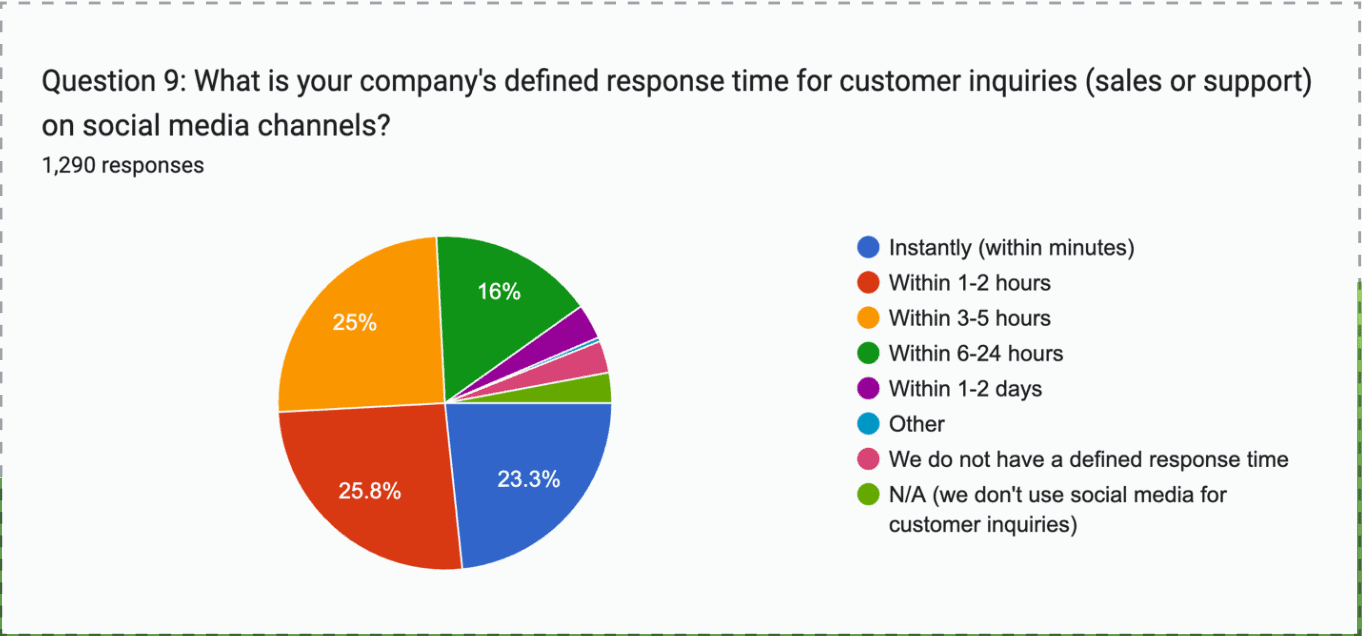
Brooke Sellas | @brookesellas: One thing I find super fascinating is how different the experience feels when it’s public versus private. On social, that becomes very public, obviously, because if the response is delayed, we all know people are impatient and on social, I think the average that I just put in our State of Social Report is still about an hour. People expect a response from a brand within about an hour, things get lost in in text, right?
We’re communicating through text. So sometimes what we think might be a wonderful support answer might actually confuse the customer further. Maybe it’s a handoff. That went wrong to your point, right?
If they’re already on the phone with traditional chat and it’s going sideways and they’re not getting what they want, and then they jump to social and that becomes a frustrating place.
Oh no. We’ve just doubled down on the customer’s frustration, and on top of that, it’s visible like everybody’s watching. It’s a spectator sport. So in your investigations, how important are those moment of truth interactions compared to big designed experiences? Because obviously it’s much easier or harder, or whichever way you look at it.
I think it’s a lot harder to design for some of the social experiences we have because it is very off the cuff, right?
Jeannie Walters: Yes, yes.
Brooke Sellas | @brookesellas: Yeah.
[00:16:20] Micro moments that build or erode trust
Jeannie Walters: I mean, you hit it when you said moments of truth because it really is like there are moments of truth throughout the customer journey and the way I think about those, it’s a moment that is either helping someone get to that next step of the journey and feeling really good about it.
Or giving them some sort of hesitation. Or eroding trust.
To the point, because it’s not necessarily slamming the phone down and saying, I’m never gonna work with this brand again.
Brooke Sellas | @brookesellas: Right.
Jeannie Walters: It’s these little things that happen, that build up, and so I call those micro moments. These are moments that don’t actually impact the feedback necessarily or other things?
But they just either build or erode trust. And so those public moments, one of the things we have to remember is that however that is perceived by the peanut gallery.
Brooke Sellas | @brookesellas: Literally. Yes.
Jeannie Walters: They are, you know, that is either building or eroding trust.
And I think one of the things we’re seeing in social is that people are looking for
more authenticity right? They don’t want the canned response.
They don’t want the branded, this is our policy. They want somebody who says, you know what, I hear you and this is what we’re doing about it. And I also think it’s okay, sometimes, to say, you know what?
I’m really sorry, that’s our policy. And this is what we can do. This is what we can’t. And just be as honest as possible.
Will some people judge that? Yes. They will. But at the same time, we’re all running businesses. We’re all trying to get to our organizational goals. And you can’t do that by doing everything the customer wants.
Because they would be like, well, give me everything for free. So I think we think have to balance all of those ideas when we’re doing that. But the brands that are doing this really well, part of why there are they’re authentic is because they know exactly who they are to their customers.
And exactly what is the promise they’ve made to show up. We can’t be all things to people. So are we gonna be be known for being fast? Are we gonna be known to to be be for accurate? Are we going to be known for being funny? Like what is is that we can say we’re we’re gonna show throughout the customer journey in this way. And best brands in the world, they do this well.
Brooke Sellas | @brookesellas: They certainly do.
[00:18:46] Fragmented ownership: who owns CX?
Brooke Sellas | @brookesellas: A theme that came up a lot in, it comes up a lot in our work, but also I wrote it about it extensively in the State of Social Care Report, which Jeanie has a lovely quote in. So go download the report, check out her quote.
But ownership, right. Who’s responsible for the experience when it doesn’t lead in one department? Because at least from our side, dealing with social care and social media, which is, you know, customer support on social it’s very disjointed. You know, sometimes it’s CX led, sometimes it’s marketing led, sometimes it’s social led. Sometimes it’s support lead.
From your point of view, what happens to CX when the responsibility is fragmented across marketing, service, ops, compliance, product? You know, do you see that a lot as well?
Jeannie Walters: Completely. And I don’t know if I have the magic wand for that either, because you kind of understand right, why it happens. But as a customer it can be so frustrating. I just had something recently, I reached out to an airline and I said, I got two questions. One is, it looks like the fair that I paid was way more than what you’re advertising now. So can you help me out? Which did.
Brooke Sellas | @brookesellas: Oh, good.
Jeannie Walters: To their credit. And I said, oh, and by the way, I’m a loyalty member and I did this promotion and I’m not seeing it in my account. And they said, oh, that’s a, you know, that’s a different group. You’ve gotta go through it. And the interesting part was, I was contacting them through social, but they referred me to the site.
Brooke Sellas | @brookesellas: Like the customer support site?
Jeannie Walters: Yeah, yeah. And so I was just like, well that’s interesting. Like it would’ve been, you think about it as, you know, if that were in real life, right. Could they call somebody? Could they connect me to somebody? You know? That what I always come back to is like, what would this look like if it was a front desk and I went up to the front desk, or if I called?
[00:20:46] Why customer journey maps ignore real life
Jeannie Walters: Because I think sometimes we forget that people are doing this among their real lives. And that’s something I stress in the journey mapping I do, is like, we can have a perfect journey map.
We can have all these perfect linear looking things and customers are doing this while they’re, you know, getting Starbucks and dropping kids off at school and like it’s real life. Yeah, you have to really respect that that as well.
And I think sometimes we forget that on the inside of organizations.
Brooke Sellas | @brookesellas: A hundred percent. Yeah, one thing that we’ve seen high performing teams do is treat those customer interactions, especially questions, complaints, like your scenario with the airline confusion, but treating all of those conversations as insights and not just issues to resolve.
I think this is where we separate some of those brands that you mentioned earlier, like some of the brands that are getting it right.
Right. They’re not just looking at the complaints and saying, we’ve gotta resolve these tickets and these pits. They’re looking at the bigger picture and saying, okay, in my book, I call it a pothole on the path to purchase.
But if we were to patch this pothole, not just tell people, oh, if you go around the pothole, you’ll still get to where you’re going.
Right? But if we were to patch the pothole, we now all of a sudden. It’s savings in so many different ways, right? We don’t have to keep repeating ourselves about how to go around the pothole. That’s saving us time, which saves us money.
The customer has less friction on that path to purchase. You probably get more revenue coming in when they have less, you know, there’s probably less churn on the other side anyhow.
[00:22:23] Fixing root problems, not symptoms
Brooke Sellas | @brookesellas: And how important is it in your opinion? For CX teams, not just to listen to those frontline signals, for resolving things, which obviously is a very important part of what we do, but for shaping actual strategy.
Jeannie Walters: Amen to all that. And I love that phrase, the thing that always kind of perplexes me is that so many customer experience strategies just talking about what I would refer to as Find and Fix.
Brooke Sellas | @brookesellas: Mm-hmm. Yeah.
Jeannie Walters: Like, and it becomes whack-a-mole. It becomes like these, poor leaders, really. They have so much coming at them because they’ve got the social complaints, they’ve got their inboxes.
Brooke Sellas | @brookesellas: Email, phone chat.
Jeannie Walters: And then the one that always comes to the top of the list is when the CEO gets emailed.
Brooke Sellas | @brookesellas: Oh, yeah.
Jeannie Walters: Right. About a customer thing, and suddenly that’s the fire to put out. But if we’re doing that, we’re not connecting that to, okay, what does this really mean? What are our priorities? And how do we do this in a way that prevents something from happening again?
And one of the reasons that, you know, in Experience Is Everything and also just the work we do, we talk about having a customer experience mission statement. And that’s because what that does is it allows you to think, okay, of these things like are we really the mission if we’re forcing them to drive around the pothole, right?
Like, are we really doing that? And no, exactly.
And so it becomes more of a priority your point, point, if we’re not rolling out with repair trucks trucks because fixed the core problem that that was causing it to break. That is a huge savings. And it makes the customer experience better and all those things. There’s a story I tell about I tell about several years ago I bought my husband a grill for Father’s Day. Like a nice gas grill. I knew I was not the one to put it together, right? Like obviously, so I paid the extra. And I said, come here, set it up by Father’s Day, everything is great.
Well, of course I get the notice it’s not going to arrive by Father’s Day. I have to give him the stupid picture in the card and feel like a loser.
They said said it will be the next day. Well, they literally dropped it it on my front in the box. Flat box. So I called and they said, oh yeah, sorry. W e’ll do it in three days or whatever. So they So come, they set it up. I was so happy. He comes home from work. I was let’s grill tonight. So he goes out there and it doesn’t work.
Brooke Sellas | @brookesellas: I knew this was coming, yeah.
Jeannie Walters: Oh, so then they send out a repair guy who is very nice. But he comes out after, and by the way, when I called for this, of course it was like an hour on hold being transferred because I hadn’t called the right number. Because this is repair and whatever, like, you know.
So the repair person, literally it took him five seconds seconds to plug something in. And I said, oh my gosh, that’s it? He said, yeah, I get so so many of these a day. The people who install, they don’t know what they’re doing. And I was like, so this company is spending all this money and irritating me no end. Yeah, to the point where I would never go back to the company company where I bought it.
[00:25:53] How small failures compound over time
Jeannie Walters: I tell all my friends, don’t go there. And it’s just like they don’t think about the consequences of it. And of course the repair person who’s getting paid, they’re not gonna mention it. So this is why it’s so much more complicated than I think we give it credit for.
Because you really have to to just rely on feedback, not just rely on your operation metrics like churn, but also you have to look at how are people actually behaving.
And that’s harder to get at, but if you can figure that out, that’s when you get those big issues that you can really change the game and design something much more proactively for the customer.
Brooke Sellas | @brookesellas: Yes, I love that so much. We had a FinTech client. It was like a cashback kind of app and there was this bug in the app where users weren’t seeing like their cash, their points that they could go spend, you know, on whatever else. And we kept going to the client and being like, you know, this is a resurfaced issue.
There’s re-escalation we know re-escalation cause churn. Like, and they just kept wanting to give us. The workaround? Well, the workaround works. If they go and they take these seven steps, they’ll get over the glitch and they’ll be able to see what they have.
And finally we convinced them like, do you know how much money you’re spending on not fixing the root cause of this issue?
Not to mention you’re losing money ’cause you’re spending so much time on, you know, the workaround. But you’re also not fixing the core problem. So people might churn. You know, you’re spending money, you’re losing money. And then finally they just fixed it and we were like, guess what? It just went away. Imagine that.
Jeannie Walters: Your numbers are so much better.
Brooke Sellas | @brookesellas: Yeah. So weird. Yeah so I think, I do think it’s a common issue.
Jeannie Walters: Well, and to your point, it’s about ownership, right? Like sometimes it’s really easy for people to be like, I don’t know who owns that, or I don’t even know who to ask about that. So we’re just gonna ignore it.
Brooke Sellas | @brookesellas: Yeah.
Jeannie Walters: That’s why you really need to empower people, not just empower in words, but also, I just had a call with a leader today where they were talking about how innovation is one of their strategies.
And I said, okay, so your frontline people. When they see something that they think this could be innovated and better? What’s the channel for them to tell you that.
And of course they were like, well, they’re supposed to tell their manager who then, you know. But if we don’t give people clear pathways to share the information and to share those suggestions. We’re never gonna have it happen, and we really need to reward people who look for those.
Brooke Sellas | @brookesellas: Yes.
Jeannie Walters: And who recognize them, and then also give people proper channels to do it in a safe way. So that they’re not getting in trouble for saying this doesn’t work.
Brooke Sellas | @brookesellas: Yeah, exactly. Another great point. For leaders who, who are listening or watching. Hello!
Jeannie Walters: Mm-hmm.
Brooke Sellas | @brookesellas: Who are responsible for CX at scale, maybe they’re even in like a complex or regulated environment, what’s one thing you would encourage them to look at differently tomorrow? Like, what can they look at right now that might make a difference?
Jeannie Walters: Well, this is a weird thing to say. Another bumper sticker. I love regulated.
Brooke Sellas | @brookesellas: Same. We work well with regulated, but I know it’s not for everybody.
Jeannie Walters: It’s not for everybody, but we’ve done a lot of work with them and like utilities, financial service, all sorts of stuff. And one of the things that I love about certain leaders in those industries is if you’re not afraid to be creative.
You can be creative. And I think that sometimes, we forget that we can look at things differently. We can think bigger. Communication is such a huge part of it, right? Like, okay, we know that regulated industries have all this really important communication that you can’t change.
What could you change? Could you change the way you’re introducing that communication?
Could you say, here’s what it means in layman terms. Could you train your people differently? To coach people on it. All sorts of different things.
Yeah. You know, when you work with with companies one of the ironies there, is the thing when your customers, become aware of your product that that means, there’s a problem. Yeah, right.
So that was one of the things we talked about we need everybody to understand it’s not the repair that puts us above. It’s not having it happen in the first place.
And if it happens, we have to acknowledge how incredibly disruptive that is and how damaging that can be to the relationship and what can we do on the other side.
And so I think all of that is really, it’s really like a creative muscle once you’re in those limitations because you look at what could we do differently? What really matters. You know, we don’t have to make make the bill look horrible.
Brooke Sellas | @brookesellas: Also true.
Jeannie Walters: Right. Insurance is such a an interesting space too because sometimes, what I do in my workshop sometimes is, I’ll say, okay, I’ll separate the room in two. And I’ll say, you have, you know, five minutes, 60 seconds, whatever it is, write as many acronyms about this business as you can. And we have contests and we usually get up to 80 or so.
Brooke Sellas | @brookesellas: Wow.
Jeannie Walters: And then I say, how many of those go on customer communications? And they’re like, ooh.
Brooke Sellas | @brookesellas: Uhhuh, right.
Jeannie Walters: Right. We don’t even mean to do it, but it slips into the customer experience. So it’s thinking like that in regulated industries that I think can be really, really powerful and meaningful. And there’s no saying that you have to do it like everybody else.
Brooke Sellas | @brookesellas: Thank you. And that this is the way we’ve always done it. I mean, I think that gets a lot of people in trouble, but also mirroring people, copying people, but also that this is the way we’ve always done it.
Jeannie Walters: Yes. And I like to say well, first of all, in my keynotes I say, if I hear that phrase, you have my permission to flip the table over whatever meeting you’re in.
Brooke Sellas | @brookesellas: Okay. Taking that to heart. Next time I hear it, I’m flipping a table, and then I’m gonna be like Jeannie said.
Jeannie Walters: It’s such a lame excuse.
Brooke Sellas | @brookesellas: Yeah.
Jeannie Walters: But the other part of that is like if we think that has always been done is the way it will always be, you’re already behind.
Brooke Sellas | @brookesellas: Mm-hmm, mm-hmm.
Jeannie Walters: Because if you think about any of the disruptors in the last decade, plus they’ve all been experience based, they have not been product based at all.
Brooke Sellas | @brookesellas: All of the reporting. Like literally all of it, all the greats, Gartner, PWC, Forrester, McKinsey, literally have report after report, stat after stat. If you focus on experience, you will be leaps by far and away above your competitors by 3x, 4x, or 10x, whatever it is, right? But no one does it. And I don’t know.
Jeannie Walters: No one does.
Brooke Sellas | @brookesellas: I guess ’cause it’s just a lot harder.
Jeannie Walters: It’s a lot harder than they haven’t been taught how.
Brooke Sellas | @brookesellas: Yeah.
Jeannie Walters: Like you think about a traditional business plan even, and there’s so much attention to getting the customers right. It’s all marketing and sales.
And then you turn the page and it’s all process. It’s all internal process. And it’s like we forget that now the customers are here and we have to take care of them differently, and we have to think about their experience because we are so used to, in some industries, the customers are always there.
Brooke Sellas | @brookesellas: Your business doesn’t run without them either, by the way.
Jeannie Walters: Right, right. But for decades, and in some cases centuries, for some of these older companies, they just always had customers. But when I hear that, I’m always like, so we should ask Kodak about that.
Brooke Sellas | @brookesellas: We should ask Blockbuster.
[00:33:57] Your customers are loyal until they’re not
Jeannie Walters: Right, exactly. Because your customers are loyal until they’re not, there is no guarantee that they will be loyal in the future. Just because you have them now does not mean you’re gonna have them tomorrow.
Brooke Sellas | @brookesellas: And CX has dropped again, another few points for the for the fourth year in a row, I think. Significantly dropped. So I mean, companies are getting worse at doing this. While the customer’s expectations are getting higher.
Jeannie Walters: That’s right.
Brooke Sellas | @brookesellas: Hopefully the rubber band doesn’t snap anywhere. Alright. If there was one thing, I’m wrapping it up here, so I I’m gonna do the one thing thing.
If there’s one thing that your work has reinforced over the years, what is it about? How customers actually experience brands versus how organizations design experience, like where is the mismatch that you see from all of the work that you’ve done?
Jeannie Walters: I think it’s really about aligning around who you are to the customer no matter what. And if you can’t agree on that internally, it will show up inconsistently for the customer.
And so we have to start with that. We have to start with aligning with what do we promise to be no matter what?
It’s not about the products, it’s not about the service, it’s about who you’re the customer and making sure everybody in the organization knows that they have have a role to play.
Brooke Sellas | @brookesellas: So true. Love it. This has been, obviously, I always love talking to you, so I feel like for me it’s like I love our conversations. I still do, but I’m so excited that everybody else gets to hear them. Thank you for bringing the human lens back to what can sometimes feel like a very operational discussion.
The process page is what I keep going back to. Yes, we see all of that, but like, where’s the feeling? Right? So thank you for that. For listeners who wanna go deeper, where can they find you? How can they get their hands on your new book that’s coming out?
Jeannie Walters: Yay.
Brooke Sellas | @brookesellas: All the things.
Jeannie Walters: Excellent. Thank you so much. Yeah. The best place to find me is either at our website experienceinvestigators.com or LinkedIn. I’m pretty active on LinkedIn, so feel free to find me there as well. And the book is, Experience Is Everything. And so you can pre-order anywhere you buy books, or you can check out our pre-order options at experienceiseverythingbook.com.
Brooke Sellas | @brookesellas: I will make sure we have all of those links in the show notes. Y’all, if you’re listening and not watching the show notes happen on our YouTube channel underneath this interview with Jeannie. So if you go look at that, you’ll be able to click on any of those links and check them out. thank you again so much for joining us for this conversation.
I feel like we need to have you back ’cause there’s so much more to talk about,
Jeannie Walters: There’s always more.
Brooke Sellas | @brookesellas: I don’t wait to read the book. Maybe we’ll read the book and then we’ll do like a little book club edition or something because I can’t wait to read it. But thank you again.
Jeannie Walters: Thank you for the work you do. It is really important and totally agree we need to focus on conversations, not campaigns. I’m gonna say that again.
Brooke Sellas | @brookesellas: Love it. Thank you so much.
Jeannie Walters: Thank you.
We’re unpacking so many of the themes that Jeannie and I talked about today, especially how experience shows up in real time interactions in the state of Social Care 2026 report.
You’ll find the link in the show notes along with all of the links that Jeannie shared with us today. If this show is helping you think differently about customer experience or customer support on social media, please rate and review us at ratethispodcast.com/smcx. It helps us bring more thoughtful voices like Jeannie and keeps our community growing with intention. Until next time, think conversation, not campaign. Bye.
Brooke Sellas: Thanks for tuning in to the Social Media CX podcast. If you loved today’s episode, don’t forget to subscribe, leave a review and share it with someone who needs to up their social care game.