The Real Reason Customers Churn (It’s Not Your Product)
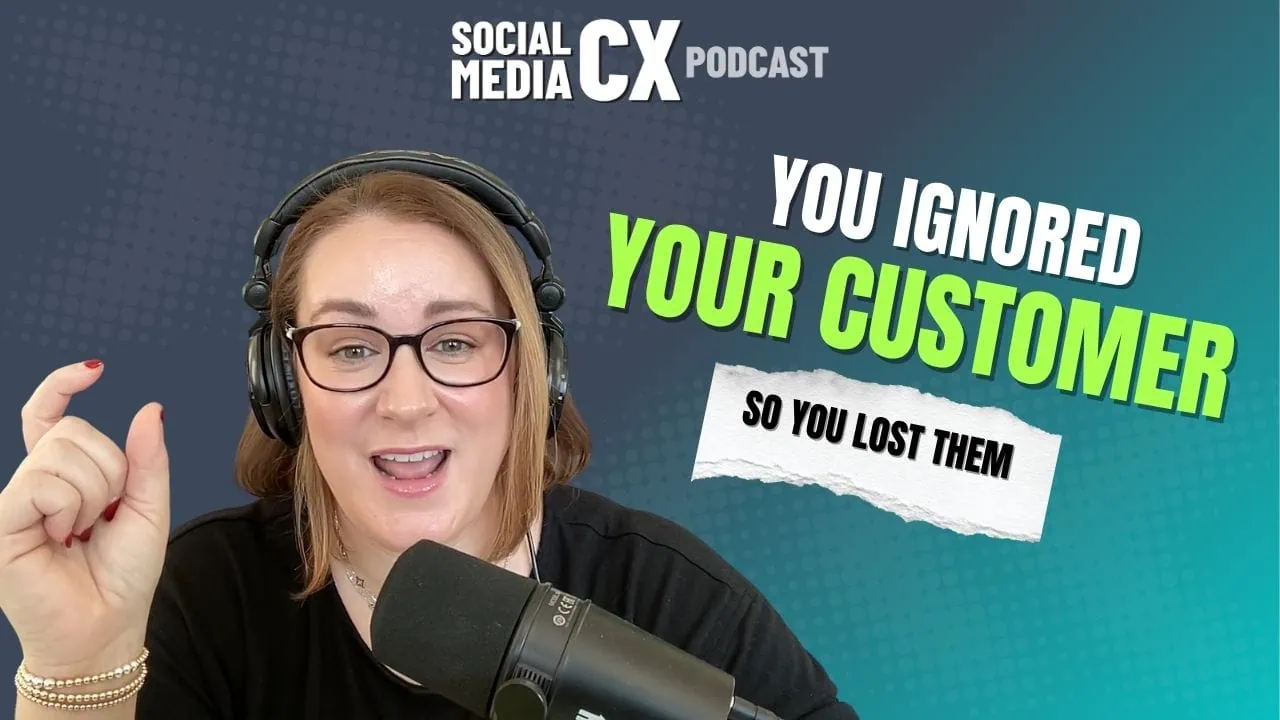
Table of Contents
Customer churn rarely happens all at once.
It builds over time through small, often overlooked moments:
- a message that goes unanswered
- a delay without visibility
- a lack of clear ownership
Individually, these moments don’t seem critical.
But collectively, they erode trust—and in fintech, trust is everything.
At B Squared Media, this pattern shows up consistently across the brands we support. The organizations that appear steady and in control are not operating without problems.
They are identifying and addressing issues early—before those issues have the opportunity to impact retention.
Prefer to listen to the conversation? Listen in here!
Most Churn Doesn’t Start With the Product
One of the most consistent patterns we see is this:
Customers rarely leave because something went wrong.
They leave because of what happens next.
As Rani, Senior Social Care Account Manager at B Squared Media, explains:
Most issues don’t start big. It’s a small problem that gets ignored—and that’s what creates the real issue.”
In many cases, the original issue is relatively simple:
- A product question
- A minor defect
- A support request that could be resolved quickly
These are not unusual. Customers expect them.
What they don’t expect is silence.
Churn Is Often a Response Problem
By the time a customer escalates, the risk to trust—and retention—is already high.
Escalation is not the starting point. It is the result of a breakdown in response.
When customers don’t receive a timely acknowledgment, they begin looking for other ways to be heard.
As Rani describes:
“That small fire becomes a big fire. Customers start posting across platforms, leaving reviews… because they’re trying to get attention.”
What began as a contained issue becomes:
- Cross-channel complaints
- Public reviews
- Increased visibility across platforms
In fintech, where customer trust directly impacts financial behavior, this shift happens quickly—and carries disproportionate risk.
Speed Matters—But Not in the Way Most Teams Think
There is a common assumption that customer experience is defined by how quickly a problem is resolved.
In practice, response time matters more than resolution time.
Customers do not expect an immediate fix.
They expect visibility.
They expect to know:
- Someone has seen the issue
- Someone is working on it
- There is a path forward
As Rani puts it:
“We don’t always have the resolution in the first 15 or 30 minutes—but the customer is heard in that time. That’s what matters.”
A fast, human acknowledgment stabilizes the interaction.
A delayed response introduces uncertainty—and uncertainty erodes trust.
Your Customers Don’t Think in Channels
One of the most overlooked drivers of churn is fragmentation across channels.
Internally, teams are structured by platform:
- Social media
- Customer service
- Email support
- Product teams
But customers don’t think this way.
They are not tracking which team owns which channel.
They are asking a simple question:
Did the brand respond?
If a message is missed in one channel—even if it’s answered in another—the customer experiences that as a failure.
This is where small gaps become visible friction.
Ignoring Your Best Customers Is Also a Risk
Customer experience is not only about resolving complaints.
It is also about reinforcing trust with the customers who already believe in your brand.
And this is where many organizations fall short.
As Rani points out:
If someone walked up to you and said, ‘I love your earrings,’ and you just stared at them—that would be rude. But brands do it all the time.”
When positive engagement goes unanswered:
- Advocacy weakens
- Engagement drops
- Community does not form
In a fintech environment, where trust is a key differentiator, these missed opportunities matter.
Why Strong Customer Experience Often Goes Unnoticed
There is a perception that customer experience is defined by visible moments—good or bad.
In reality, strong customer experience is often invisible.
As Rani explains:
“Our goal is to keep our clients out of that spotlight… not because nothing is going wrong, but because we handled it before anyone saw it.”
The most effective teams:
- Identify issues early
- Respond quickly
- Resolve them before they escalate
This work is not always visible externally.
But it is directly tied to retention.
Most teams don’t lack data—they lack visibility into what customers are actually experiencing in real time. See how one bank operationalizes social listening to surface issues before they turn into churn.
Customer Experience Is a Cross-Functional Risk
Customer experience does not live within a single team.
It requires coordination across:
- Social media
- Customer service
- Product
- Legal and compliance
- Web and digital teams
When these functions are not aligned:
- Responses are delayed
- Information is inconsistent
- Ownership is unclear
And that is what customers experience as friction.
In many organizations, social care becomes the connective layer—surfacing issues and coordinating resolution across teams.
When that alignment is strong, issues are contained.
When it is not, they become visible—and costly.
The Opportunity: Fixing the Small Moments Before They Scale
Reducing churn does not always require large-scale transformation.
In many cases, it comes down to operational consistency:
- Responding quickly
- Acknowledging early
- Maintaining visibility
- Closing the loop
These actions are not complex.
But they are often inconsistent.
And that inconsistency is where risk accumulates.
Customers Don’t Churn Because of One Big Failure
They churn because of the small moments where no one showed up.
And by the time it becomes visible—
It’s already impacting retention.
Where Is Your Customer Experience Creating Risk?
Most organizations don’t realize where these breakdowns are happening until they’ve already escalated.
If you’re seeing:
- Increasing complaints across channels
- Delays in response time
- Gaps between teams
- Or unexplained churn
There’s an opportunity to identify where your customer experience is creating risk.
👉 We offer a free Customer Experience Clarity Review to help you pinpoint where small moments are turning into larger issues—and what to do next.
Read the Transcript
[00:00:00] Customer experience has a response problem
[00:00:00] Rani: If someone walked up to you and was like, Hey, I love your earrings, and you just stared at them and didn’t respond, that would be very rude. But brand, we see brands do it all the time on social. it has to change.
[00:00:14] Brooke Sellas | B Squared Media: Hey y’all. Welcome back to the Social Media CX podcast where we talk about all things customer experience on social media. And I wanna start with this problem, which is customer experience has a visibility problem when it breaks. Everyone sees it when it works. No one notices or seems to care or says thank you.
It’s a very thankless job sometimes, but that’s exactly the point. And today’s guest spends her days inside of the actual customer conversations that most brands never even see. Rani is our senior social care account manager here at B Squared Media, and she works directly in the day-to-day of customer interactions across multiple enterprise clients.
And what she has learned in her words, well, we’ll get to her words in a minute, but this is what she told me, that she’s learned the difference between brands that feel calm. And brands that feel reactive usually comes down to how they handle the small moments. So today we’re going to talk with Rani about what really happens inside of social care, why customer experience feels invisible sometimes, and how your brand can stop reacting and start staying in control.
Rani, welcome to the show.
[00:01:37] Rani: Hi. Thank you so much for having me.
[00:01:40] Why “good CX is boring”
[00:01:40] Brooke Sellas | B Squared Media: So excited to talk to you like we don’t talk all the time, but excited to do it officially. Yes. Yes, so let’s kind of talk about the good CX is boring part of what you said because this is your strongest, in my opinion, point of view. So here’s the question I have for you. You said this, which I love. When customer experience is working, it’s kind of boring.
What do you mean by that?
[00:02:07] Rani: Yeah, no, and I’ll preface boring in a good way, right? When we’re doing our job well, it kind of feels like nothing is happening. These huge viral moments that social media customer care can often bring delight, because we’ve already handled, handled the small stuff. And I think at B squared that’s kind of our goal is not to be super visible, but to keep it running super smooth behind the scenes.
[00:02:38] Brooke Sellas | B Squared Media: Absolutely. And they also say the best flights are the boring flights. Right? It’s similar in that way. Like you don’t want an eventful airline flight.
[00:02:49] Rani: Right. No, for sure. And that’s, I mean.
That’s our job is putting out those small fires before the cabin seats ever hear about them.
[00:03:00] Brooke Sellas | B Squared Media: I love it.
I love it. Back in my event planning days, we used to say the same thing, right? Things are gonna happen, but as long as no one knows, if the audience doesn’t realize at the event that we ran out of Pepsi or whatever it is, right? If they don’t know, it’s fine. Right? It’s just keeping the show going and keeping the fires to a minimum.
[00:03:23] Why speed and real human responses matter
[00:03:23] Brooke Sellas | B Squared Media: So in your opinion, what does boring look like operationally? You’re saying we’re putting out these small fires in the background or taking care of these small things. What does that look like operationally?
[00:03:34] Rani: Yeah, I think we spend, you know, our community management team is, is one of the best at doing it. We’re living in a world where speed matters. And so that first big operational piece is catching it fast. They’re the first people on the front line to, as soon as that small complaint comes in, they’re there to help.
It’s not a chat bot that you’re gonna have to route through, you know, seven different triggers to actually get to a live person. They’re immediately listening and responding. And we don’t always have an immediate resolution. I think that’s the big piece, right? That resolution doesn’t happen within that first 15 minutes, within that first 30 minutes. But the customer is heard in that first 15 and 30 minutes and they know someone is working behind the scenes. so that’s the big piece for us is getting there fast, getting there human, and then. Gosh, the whole other side is, you know, internally with our clients, cross department teams. So sometimes that’s legal, sometimes that’s a customer service team. That part spans far and wide. Especially once we kind of get with these global brands. Sometimes we’re talking to people at 2:00 AM in the UK and that’s how it goes. But once we get that really strong, that really strong knowledge library built out. You know, that’s when we start to see things really, really take off.
So those first few months with clients are what I think are the fun parts. Sleepless nights, like, we’re going to build all of this out. But you’re gonna see fires go down on your social channels so, so quickly. It’s worth that initial investment.
[00:05:23] Brooke Sellas | B Squared Media: I couldn’t agree more. I think, you know, our knowledge documentation, you know, rules of engagement. FAQs, frequently asked questions, rules of engagement, FAQs. So they have all the documentations. We have the scripts that we have, that we follow on certain things, the step by step breakdowns we have for like products that might have an issue, like a printer that jams or whatever.
We have a ton of documentation that we work off of to do this, and I think that’s definitely our strength is having all of that documentation, keeping it organized, and then making sure. That you and the team that helps you out understands how to find what they need within that documentation. We’re also making iterations to that documentation all the time, especially for like our regulated brands.
I just saw Andrew, (Hey, Andrew), go in the other day and kind of edit all of the regulation docs to make sure that we were up to date on all of the rules. So yeah, I mean, it’s just staying on top of it. It’s not fun necessarily, but it’s what keeps those fires to a minimum.
[00:06:24] Rani: Yeah, no. And then I think the fun part is, you know, all the tagging we’re doing inside of Sprout and Amplify and the other ones, then we get to start being proactive. Like once we start to identify trends, what do we want to tag for? What do we wanna look for? Then you start getting, you know, we’re responding to small fires, keeping them small, not letting ’em big.
But then you start getting in fires with tagging and that’s the super fun part that, you know, our team loves that maybe your business doesn’t get to see. Right. You didn’t even know it was happening yet. But we get to bring it to our clients and they always, I always see them smirk, like a small smile comes across their face and I’m like, yes, I know you think this is cool.
You don’t have to say it, but you think this is super cool. So that’s always
[00:07:10] The problem with chasing big viral moments
[00:07:10] Brooke Sellas | B Squared Media: It’s super cool. I think we all nerd out about that. Why do you think so many brands chase these big customer experience moments instead of like these little pieces of consistency that we’re talking about?
[00:07:25] Rani: I get it. Virality is, virality is sexy. Right. But what we see in growth is consistency, like where we see that growth is consistency day to day. And I actually just posted about this. One of my favorite social features is LinkedIn showing impressions on comments and we started to like think about that at scale for some of our enterprise clients on LinkedIn, Meta platforms, TikTok, if we actually had that metric to count at scale, I have zero doubt in my mind that cumulatively all of those added up would outperform a significant amount of the outgoing content that these teams are investing in.
[00:08:16] Brooke Sellas | B Squared Media: Yes, yes. I love this so much because literally our tagline is think conversation, not campaign. Right? But also, all of the algorithms, y’all, all of them.
[00:08:25] How algorithms now reward conversations over content
[00:08:25] Brooke Sellas | B Squared Media: If you are listening to this show, right, whenever this comes out, we are, we are filming, we are interviewing right now in March of 2026. All of the algorithms have been updated.
All of them now look at comments, literally what they’re, what they’re trying to do as the platform. Lemme try to like quickly explain this ’cause I wanna talk to Rani, not explain how algorithms work, but. They’re looking at dwell time. They want the user, you the user, to spend as much time as possible on that platform.
So when you’re scrolling listlessly on Instagram or TikTok or whatever your platform is, which I know we all do because I do it too, when you’re just scrolling, you’re getting dwell time if you spend a ton of time scrolling. But if you are a normal person, which I am not, and you stop scrolling because there’s nothing there that you wanna engage with, you leave that platform.
The platforms have realized that comments, comment threads, the back and forth conversation that happens on these social media platforms creates dwell time. It also creates meaningful engagement, meaning the person who’s engaging, not just through like a reaction or a like, who’s actually taking the time to leave a comment or respond back or whatever it means.
Makes the platform more meaningful. That meaningful engagement makes the platform more meaningful to that user. So dwell time plus that meaningful interaction, that’s what all of the platforms are looking at. And LinkedIn to your point, has now started showing you, and I’m sure you’ve seen this too, but like my comments.
Sometimes are getting far more reach than my post is, and that is on purpose. That is by design. So comments over content, conversations over content. I mean, it’s our tagline. We’ve had it forever, but like it’s more true than ever. So I’m glad that you said that.
[00:10:06] Rani: No, and I mean that, I think that threaded comment piece is super important because what does that mean for brands? It means you can’t just be responding to your complaints, right? That’s one side of what we do, yes, let us, we’ll set up an escalation workflow for you and, and handle those complaints on socials.
[00:10:29] Why brands ignore their most loyal customers
[00:10:29] Rani: The other part is you have to be responding to most loyal people to you, the people telling you that they love your brand, that they love your product, that back and forth is only going to help you algorithmically too. Not to mention, It’s a nice thing to do to people who love your brand. You know, we talk about this all the time.
If someone walked up to you and was like, Hey, I love your earrings, and you just stared at them and didn’t respond, that would be very rude. But brand, we see brands do it all the time on social. And it has to change. If the algorithm is what convinces you of it, then fine, but also be good humans.
[00:11:14] Brooke Sellas | B Squared Media: Please don’t be, yeah, don’t be beholden to the algorithm, but yeah. Okay.
[00:11:20] Where most customer issues actually begin
[00:11:20] Brooke Sellas | B Squared Media: So you spend your real time, like a lot of your real time in customer conversations on the daily. Where do you think just based on everything that you’ve seen, most issues actually start? Is it the actual issue they’re having with like the product or the service, or is it something else?
[00:11:40] Rani: Yeah, I mean the biggest thing is most issues don’t start big. It’s a small problem that usually has a quick resolution that gets ignored, and so that bigger answer is the customer service piece is the actual problem. It’s 90% of the time not the actual product. That has an issue. I tell all of our clients, that’s a great problem to have.
People love your product and also people don’t expect perfect products. If a product breaks, people are willing to deal with that. They’re not willing to deal with four hour wait times on the phone, no responses on social, you know, two to three weeks of trying to get a hold of your team. All of these customer service issues, are the problem, not the product. In most of the cases, we see again, great problem to have, right? We can fix that. We can’t go redesign your product in a two week span.
[00:12:37] Brooke Sellas | B Squared Media: So let’s dig into those little small issues and when they get ignored. What do you see happen with those small issues if they’re getting ignored? Which I know we kind of mitigate that, but sometimes when we get in there, in the beginning of starting to work with a client, right? This is a little more prevalent, but like if for whatever reason something gets ignored, what happens?
[00:13:00] Rani: Yeah, that’s when a big metric that we track is repeat escalations. We know, I know if you’re a watcher of the podcast, Brooke has had to share this statistic at some point. But repeat escalations is one of the key metrics that leads to churn. So we track that very closely. And so that initial complaint, if we can catch it quickly, and mitigate it, then great.
We’ve done our job well. If there was fallout somewhere between, what we see is one, that small fire become a big fire. They are now posting cross channel, right? They came to us on Facebook. Now they’re pissed off on Instagram, YouTube, all these other channels. They start leaving reviews on Better Business Bureau.
All of these, it just starts to escalate quickly. And unfortunately, you know, sometimes that’s what it takes. Customers now know that they can escalate to get attention faster.
[00:14:03] Brooke Sellas | B Squared Media: Yeah.
[00:14:04] Catching problems early vs. constantly reacting
[00:14:04] Rani: And so if you’re, if that speed piece is already built in, then that’s, that’s how you avoid it. You don’t want your customer to have to escalate to screaming off the top of the mountain to get help for a problem that your product team can solve, you know, with a 20 minute phone call.
[00:14:21] Brooke Sellas | B Squared Media: Yeah, obviously I couldn’t agree more because this is what we do. So you know I agree. We’ll, just every time she says something, just put a little soundbite of me going, I couldn’t agree more. So what does it look like? Let’s dig in a little bit more. So what does it look like when a brand is catching these things early versus constantly reacting to the complaints?
[00:14:44] Rani: That’s the fun part is, you know, a big, a big initiative of ours is going back and closing the loop on social. You know, we want to make sure as the social team, that they got everything that they needed, one, that the re issue was resolved. Two, we want them to, if they have an issue in the future, come back to us know we’re there to help again, with the goal of that being privately.
Right. Maybe this first time they came to us with a public comment, and they were upset, screaming a little bit about the issue. But if our team steps in quickly is able to get them escalated to the right team internally, and their issue is resolved, we see over and over again them come back to us on social and say, thank you so much for your help.
I got this taken care of. And three months down the line, we’re having another conversation with the same customer of, Hey, I’m getting this weird error code on my coffee machine. Can your team help? This time privately never escalated publicly again. And you start to build that relationship. And it’s cool because, you know, we’re operating behind the scenes as, as some of these brands.
So, but you start to recognize customers and you start to know customers of these brands and they feel like friends, even though they have no clue who you are and you’re just behind a screen. But it’s really cool to start seeing people come back who were once, you know, started really high brand risk and you know, sometimes those people come, become some of your biggest advocates.
[00:16:18] Brooke Sellas | B Squared Media: Yes, I mean, we have gobs and gobs of those examples of people you know, who, you know, started out as detractors. And then based on the work that we’ve done, have been definite supporters of the brands, given lots of brand love and to your point, the next time, instead of escalating publicly, they come to us privately because they know we’re gonna solve it.
And that’s huge. I think that’s a piece that a lot of companies don’t realize can even become a thing, right? Like, oh, they’re not even gonna publicly blast you anymore. They’re just gonna privately DM us and be like, Hey, can I talk to Rainy? I talked to her last time. I really like her. Right.
So we know that fast, consistent responses reduce escalations, they reduce risk, and they are protecting your brand trust by addressing issues before they turn into like full blown crises.
[00:17:07] Why you only hear about bad customer experience
[00:17:07] Brooke Sellas | B Squared Media: So I wanna move on and talk about why we only hear about bad CX, which is kind of my fault. We just talked about the bad stuff, but that is what we hear about a lot when we talk about customer experience. We often hear a lot of the bad stories, especially right now with like AI and CX. I feel like all we hear are the negative stuff.
And you mentioned that there are brands doing well, but you usually don’t hear about those brands. Why do you think that happens?
[00:17:34] Rani: Yeah, I think the big piece is not because nothing is going wrong, right? There’s every brand has, has fires that they’re putting out. And if you have good CX, you’re handling it before anyone ever sees it. So our goal in many ways is to keep our clients out of that spotlight. I think as consumers we love a good juicy gossip story of the customer care gone wrong.
And my algorithm knows that and my feed is filled with all of those. And my goal is to keep all of my clients out of my feed because I don’t wanna see them in that way. so yeah, I mean, it goes back to what we said. It’s not sexy, but it’s getting there before it goes wrong.
[00:18:22] Brands that go viral for the wrong reasons
[00:18:22] Brooke Sellas | B Squared Media: Yeah. And what do you think that’s happening inside of the organizations that end up going viral for the wrong reasons?
[00:18:31] Rani: So we’ve seen cross department, just fractures it’s not all under one ecosystem. And I think that has to be my biggest piece of advice is you need someone internally that is going to bring all of these departments together. see time and time again. One customer complaint will bring in the social team, the customer service team, the product team. Maybe even the legal team sometimes. You know, development, product development, all of these different teams for one customer. And you can imagine if you don’t have a streamlined process for that. Your cracks will quickly be exposed, because that’s when we start seeing four hour hold times, no responses to emails, all of these different fractures. Getting your cross department streamlined for the sake of your customers is going to make, going to make process easier for every team, including social.
[00:19:39] Brooke Sellas | B Squared Media: Yeah, I think we see this, especially in social care, it’s very disjointed and fragmented. So, you know, sometimes we’re working with marketing, sometimes we’re working with this social team, but inevitably with every social care client we have, we end up talking to sales. Product, legal, HR, right? All of these other teams.
[00:20:00] The cross-functional breakdown behind poor CX
[00:20:00] Brooke Sellas | B Squared Media: And I can recall, you know, several years ago when we had an in-person training with one of our social care clients and we had all of these different departments in the same room. A lot of them were meeting and talking to each other for the first time, which was like blowing my mind because you know, they’re under the same roof working for the same company.
But I think to your point. That fragment, that disjointed, who owns what is part of the bigger problem that needs to be solved so that everything feels a little bit more cohesive? Because good social care protects reputation by resolving issues before they escalate publicly. But we need the backing. Of all of the different teams, like we’ve changed product packaging based on feedback that we’ve gotten from social, right?
So it really is. You think like, well, what does packaging have to do with anything? A lot when you’re trying to have good experience or make your customers happy or listening to what they say their top complaints are.
[00:20:58] Rani: Thousand percent. Yeah, and I would say another team we work closely with is the website team, inevitably.
[00:21:04] Brooke Sellas | B Squared Media: Yeah.
[00:21:05] Rani: It bleeds over there. And those are some of the most, most fun people to work with because we give them all the content and they make it, they make it pretty and look good. So it’s fun working with all the other teams.
I think it’s funny that our team is often the one that do get all those people in the same room. end up screaming loud enough, we need to talk to all of these people that they’re like, fine, we’ll all talk.
[00:21:34] Brooke Sellas | B Squared Media: It’s true. We’re connectors. We just wanna bring everybody in. One of the things that you said when we were talking about filming this together was you said something along the lines of your weakest channel will expose you. What do you mean by that?
Yeah. And we’ve seen it firsthand so many times where, you know, brands are doing a great job across most channels. And we’re managing, let’s say 95% of their channels. But they have one channel that maybe they feel like that they can manage with an AI bot. And inevitably when either that channel.
Goes managed by an AI bot, or maybe it’s just deprioritized, right? Like maybe they’re just not going to be on the channel even though their customers are on the channel, which you should pay attention to, we just see it become the entry point for breakdowns in customer experience, and inevitably they end up coming to us on another channel and saying, Hey, I reached out over here and got this AI reply. Is there anyone here to help me? And you know, fortunately, if that’s the case, we’re able to pick it up.
[00:22:49] Your customers don’t think in brand channels
[00:22:49] Brooke Sellas | B Squared Media: But I think the biggest thing is to remember that customers don’t think in channels when they are contacting your brand, they are contacting your brand. And they don’t think that they, you know, they didn’t respond to me here and they responded to me over on Facebook. They just think they never responded to me.
Yeah, it’s so true. That’s such a valid point. Customers don’t think in channels the way we do as marketers or brands, right? They’re just saying, I’m reaching out here. It’s not like I’m reaching out on this channel. I don’t know if you’re active on it. They’re just reaching out where they see that you have a placeholder and they’re expecting because you are active on that.
Active, just that you have a presence there. I’m not saying you might not even be actually active, right? They expect that you’re gonna respond so that it is such an interesting point that you bring up because again, they’re thinking, I see you here. I’m going to reach out here. While brands might be thinking like, oh, well we just set that up as a placeholder, or we only put out, you know, one TikTok per month and we’re not gonna do anything else over there, but they’re trying to reach you for support over there.
[00:24:01] Rani: 1000%. And we know customers reach out on their preferred platform and we can keep them from escalating if we can meet them on the platform that they want to be at. So, I mean, that’s the other big thing is know where your customers are living and it’s not gonna be all the channels, it’s likely not all the channels for your brand, but know where they’re at.
[00:24:23] Brooke Sellas | B Squared Media: Yeah, definitely. It’s so easy to audit the feedback, the comments and the dms and all those things, those conversations that are happening. It’s so easy to look at those by platform and go, oh, wow, most of our chatter happens on Facebook. We need to put a little bit of extra time into Facebook and making sure that we are.
Responding to those people there. But guess what, we also maybe get, five a month on TikTok, which we’re not active on, but we need to now know that we need to at least check in once a day and check for those five that on average come in on TikTok, even if we’re not active there, because I think people just want to be heard.
[00:25:00] What actually stops escalations from happening
[00:25:00] Brooke Sellas | B Squared Media: And I know we say this all the time, right? Nines out of nine times outta 10, what stops those escalations from happening Is that speedy response. Like you said, we may not have the resolution or the solution right now, but the fact that we’re saying, we hear you, we see you and we’re on it, usually squashes most of it.
Why do you think that acknowledgement like that initial, just like I see you, I hear you, is so powerful.
[00:25:30] Rani: It’s the most human part of it, right? Like you know, we see AI is doing a lot of cool things in this space right now and maybe does have some of the technical, can do a little bit of the technical piece, for troubleshooting, product troubleshooting. But, people, like you said, they just wanna be heard and we have yet to see an AI tool do that part well and show up and say. I hear you. I see you. I’m here. You’re talking to a real person. Hey, how was your day? You know, we see so many, so many brands doing it well.
[00:26:07] Brooke Sellas | B Squared Media: Why do you think going on this like theme of acknowledgement, why do you think brands ignore positive comments?
[00:26:15] Rani: Why? I wish I could answer that question.
It’s such a big area of focus in what I’m doing every day. We have a lot of clients come in who say they wanna reduce negative sentiment on social.
[00:26:30] Brooke Sellas | B Squared Media: Yeah.
[00:26:31] Rani: I think one of the biggest ways you can do that, is by amplifying the positive, you can’t ignore the people who already love you. And like we talked about, those people are gonna become your brand advocates. One of my favorite stories is someone who came to us with an issue. We got them, we got that issue resolved for them. We now frequently see them in the comments helping troubleshoot other customers on behalf of our brand.
And it’s just the Cinderella story that I think anyone in our space like would want, because not only have they become a brand advocate, they’re doing half of our job for us trying to help other customers troubleshoot and I mean, go on and on. Talking about building community and all just full down effect of that.
[00:27:26] Brooke Sellas | B Squared Media: Yes, that’s what I was just about to say that to us, I think I can fairly say us and not just me, is the definition of community. You could build a community all day long, you could stand up a community all day long, but when you’re doing social care correctly and you’re giving. Social media, customer service to your social media audiences, you start to build actual community like that story organically.
It just starts to happen because they trust, they know you, they trust you, they like you. And so then they are now acting as doing our jobs for us, which is great. I mean, wow. Imagine. All of your customers, all of your customers who loved you, were doing things like that for you. Can you imagine how much savings that would be, but also how much more revenue would come in?
Because all those people are doing is being like, oh my God, you have to buy from this company because they’re amazing.
[00:28:17] Rani: Yep. And we see it on the negative comments too. You know, people will leave a negative comment about a poor brand experience they had, and we’ve seen multiple people jump in on the thread that say, this is not the experience we had with this brand at all. And, you know, becoming defenders of your brand too, which is, is cool to see.
[00:28:37] One simple CX step teams can take today
[00:28:37] Brooke Sellas | B Squared Media: Yep. What would you say? Your advice, if you could give advice to any of those people listening or watching, what’s one simple thing that teams can start doing today or tomorrow, like right away? That it would improve this whole thing of acknowledgement?
[00:28:55] Rani: Yeah, I think. I think I had an answer to this, and then I actually got our Social Care Weekly newsletter that just went out what was it, yesterday, two days ago. And I think I’m gonna change my answer on the fly. So I loved what you said. I think it was like your tactical bite of, Go audit your channels and go see where are dms messages, comments?
Where is that volume at compared to where you’re posting? Because you have to meet your customers where they’re at, engaging. And that’s the start there, right? You don’t need to, you don’t need a dashboard, you don’t need a special tool to do it. If you have it, great, it will make it easier.
You can do it manually on whatever channel you’re at. And I think it will shock everyone how, it’ll give them a lot of insight into how their audience is showing up for their brand.
[00:29:55] Brooke Sellas | B Squared Media: I didn’t pay her to say that. We did not talk about that. This is like truly organic.
[00:30:01] Rani: No, she really didn’t. And I mean, go look at my LinkedIn. I very rarely talk on LinkedIn. It was one of my professional goals for 2026. I was like, I’m gonna post every day on LinkedIn. Unfortunately I post for, you know, all of these other brands and never for myself.
[00:30:18] Brooke Sellas | B Squared Media: How it happens.
[00:30:20] Rani: But I actually pulled the screenshot of that email because I loved it so much. I was like, it’s such a simple place for people to start.
[00:30:29] Brooke Sellas | B Squared Media: It really is. Yes.
[00:30:31] Rani: It will give so much insight. I promise you’ll have that aha moment of holy crap. We’ve been investing in this content on this platform and no one cares, but they’re talking about us all the time over here.
[00:30:43] Brooke Sellas | B Squared Media: Yes. I mean, we’ve literally kind of, you know, said goodbye to Instagram this year for that reason. We just didn’t have a lot happening. We were spending a lot of time and money and effort on, you know, putting content out on Instagram, and we weren’t getting anything out of it. So we shut it down. I mean, that’s how it should work, y’all.
You don’t have to be everywhere. I will leave the link to the newsletter in the transcript. So wherever you’re watching or listening to this, if you go look at the show notes, the transcript, I’ll have a link to the Social Care Weekly, which Rani is so wonderfully mentioned. Swear, that was totally organic.
[00:31:14] Rani: Yeah, it was one my favorites.
[00:31:16] Brooke Sellas | B Squared Media: Aw, thanks. So for teams listening to this, what’s one thing they can start doing this week to feel more in control of their customer experience? So let’s say they do the audit and they get that data, they understand where things are happening, what do they start doing to feel more in control of the customer experience so that it’s not so reactive and it is a little bit more proactive.
[00:31:38] Rani: Yeah, I think that’s the big shift we’re seeing is from reactive to proactive. It’s not about fixing problems faster, right? It’s not about that resolutions piece. But it’s about showing up there, consist and quickly, and listening to your customers, and them knowing that you’re there.
So, sh. it a try for a day, a week. Show up consistently on social, respond to your customers. Not just their questions, not just their complaints, not just with a promo code for a discount for them to buy, just for customers that say, Hey, I loved this. I loved this piece of content that you put out. Hey, I love your product.
And start engaging with them, start having those conversations, start building that relationship and watch them show up again for you next week.
[00:32:32] Brooke Sellas | B Squared Media: I couldn’t agree more. I think Rani’s mic drop moment and theme for this call and correct me. Think I’m wrong is the brands that win at customer experience are the ones that show up consistently. Would you say that’s the theme? Rani, thank you so much for kind of pulling back the curtain on what actually happens inside of social care programs and customer conversations and what we do at B Squared Media.
For anyone listening, this is the work that we do. It’s not flashy, it may not be sexy, but it’s what protects your brand every single day. So thank you so much Rani for sharing your insights. Tell everybody where they can find you. If you do, you want people to go see you on LinkedIn for those posts, what are you?
[00:33:19] Rani: I post once a month, starting in 2026, so I have three posts going so far, but come hang out with me. I’ll respond to you in the comments at least.
[00:33:31] Brooke Sellas | B Squared Media: Go test at, go test it out. Rani, thanks again so much for lending your insights. We’re gonna have more of our team members on because they can say it’s so much better than I can. They’re the ones in the trenches fighting the good fight every single day for these brands. So we’re gonna be having more of our team members on, so you can see this behind the curtains look of what happens.
And as always, if you loved today’s episode, if you got anything out of it, I would love for you to go rate and review our podcast at your favorite podcast platform, wherever, Spotify, Apple, it doesn’t matter. Wherever you listen, give us that review. We would love it. That allows us to bring more people like Rani on the show and just build our own community with attention.
Thanks everybody for your time. As always, think conversation, not campaign.
[00:34:17] Brooke Sellas | @brookesellas: Thanks for tuning in to the Social Media CX podcast. If you loved today’s episode, don’t forget to subscribe, leave a review and share it with someone who needs to up their social care game.
Want to hear the full conversation? Listen to the Social Media CX Podcast on YouTube. And if your team is thinking about what responsible social listening in banking or financial services actually looks like at scale, check out the State of Social Care Report 2026.
Finally, as always, Think conversation, not campaign.™

Latest posts by Brooke B. Sellas (See All)
- You’re Treating Business Intelligence Like Social Engagement - August 19, 2026
- Your Customer Complaints Are Shaping What AI Says About Your Brand - August 12, 2026
- The Customer Signals Hidden Inside Your Social Care Data - August 5, 2026


Written by award-winning strategist Brooke Sellas, this weekly 5-minute power-up will help you turn social interactions into loyalty, retention, and revenue.
Written by award-winning strategist Brooke Sellas, this weekly 5-minute power-up will help you turn social interactions into loyalty, retention, and revenue.

Share this article: