
FREE SOCIAL LISTENING WORKBOOK · BIGGER & BETTER
Download this guide to using The BIC Framework (Brand, Industry, Competitor) for social listening. By the time you’re done with this workbook, you’ll know exactly where to listen, what to listen for, and how to turn what you hear into real business results.
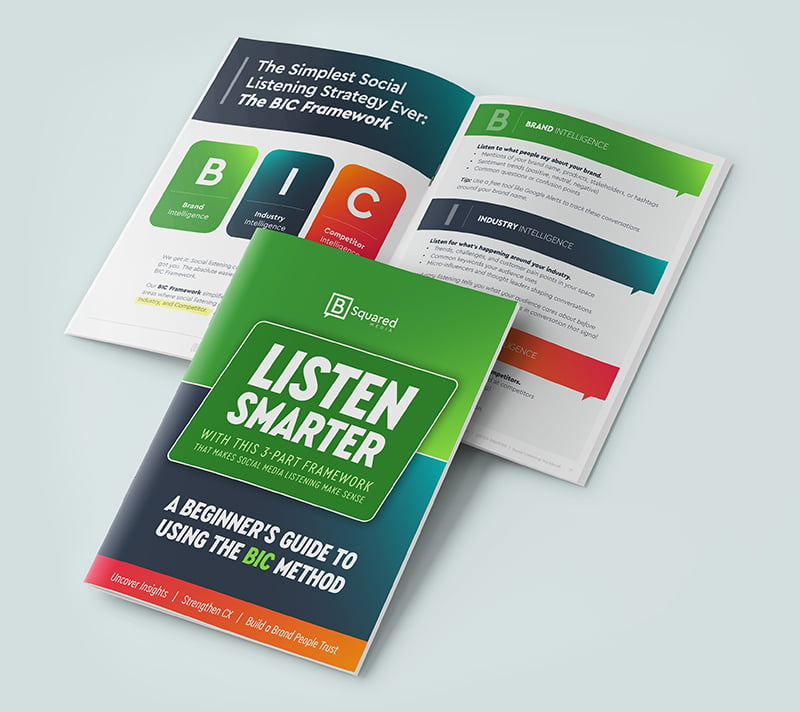
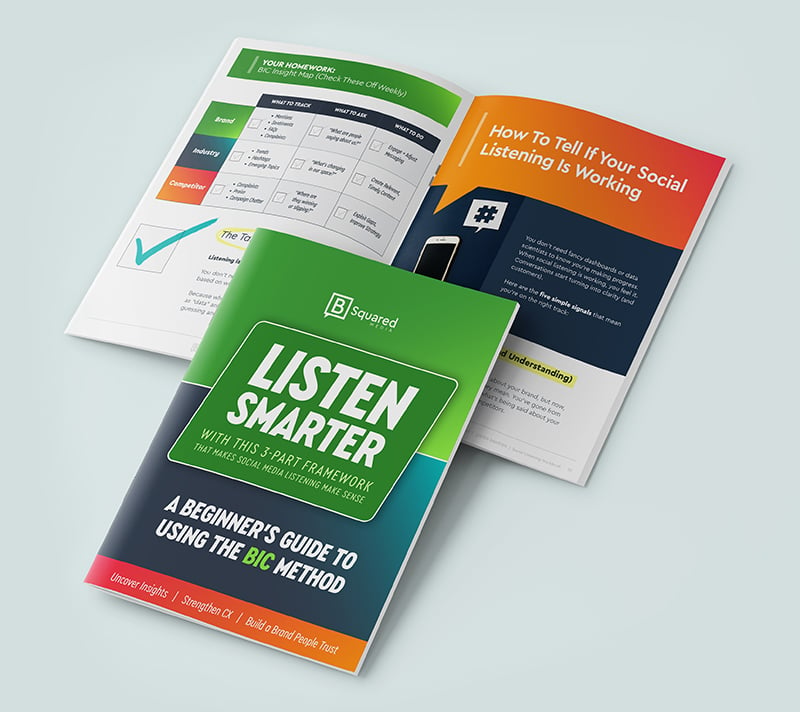
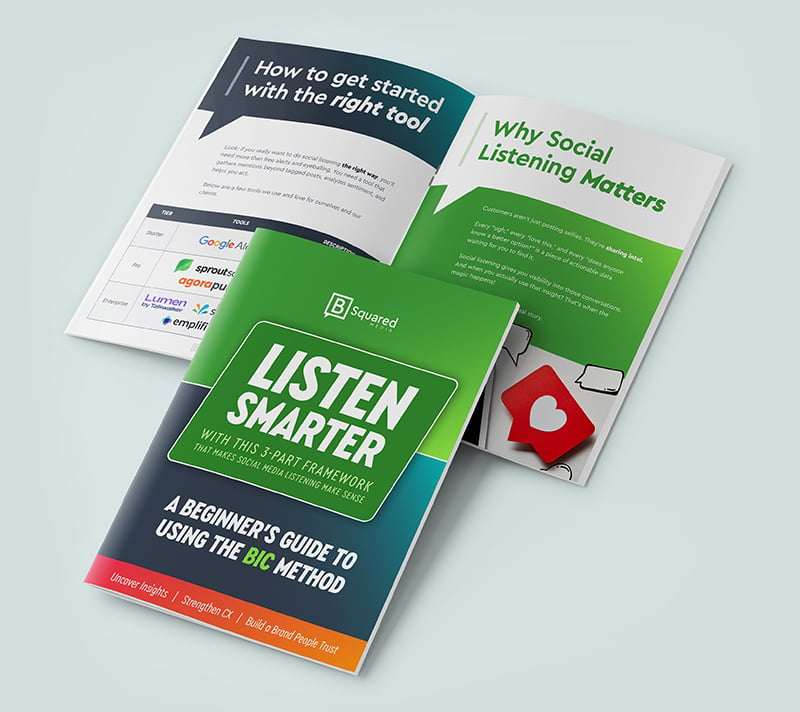
MONITORING vs. LISTENING
Monitoring tells you what. Listening tells you why.
Most brands think they’re listening. Really, they’re just monitoring: reacting to what shows up in their notifications and missing everything said about them, their category, and their competitors when they’re not tagged.
MONITORING: Reactive. Counts @mentions. Tells you what people said.
LISTENING: Proactive. Reads sentiment and pain points. Tells you why.
Someone mentions your brand by name and never tags you. That’s a dark mention, and to a social media customer care team, it’s a support ticket nobody knows exists yet.

THE SIMPLEST SOCIAL LISTENING STRATEGY EVER
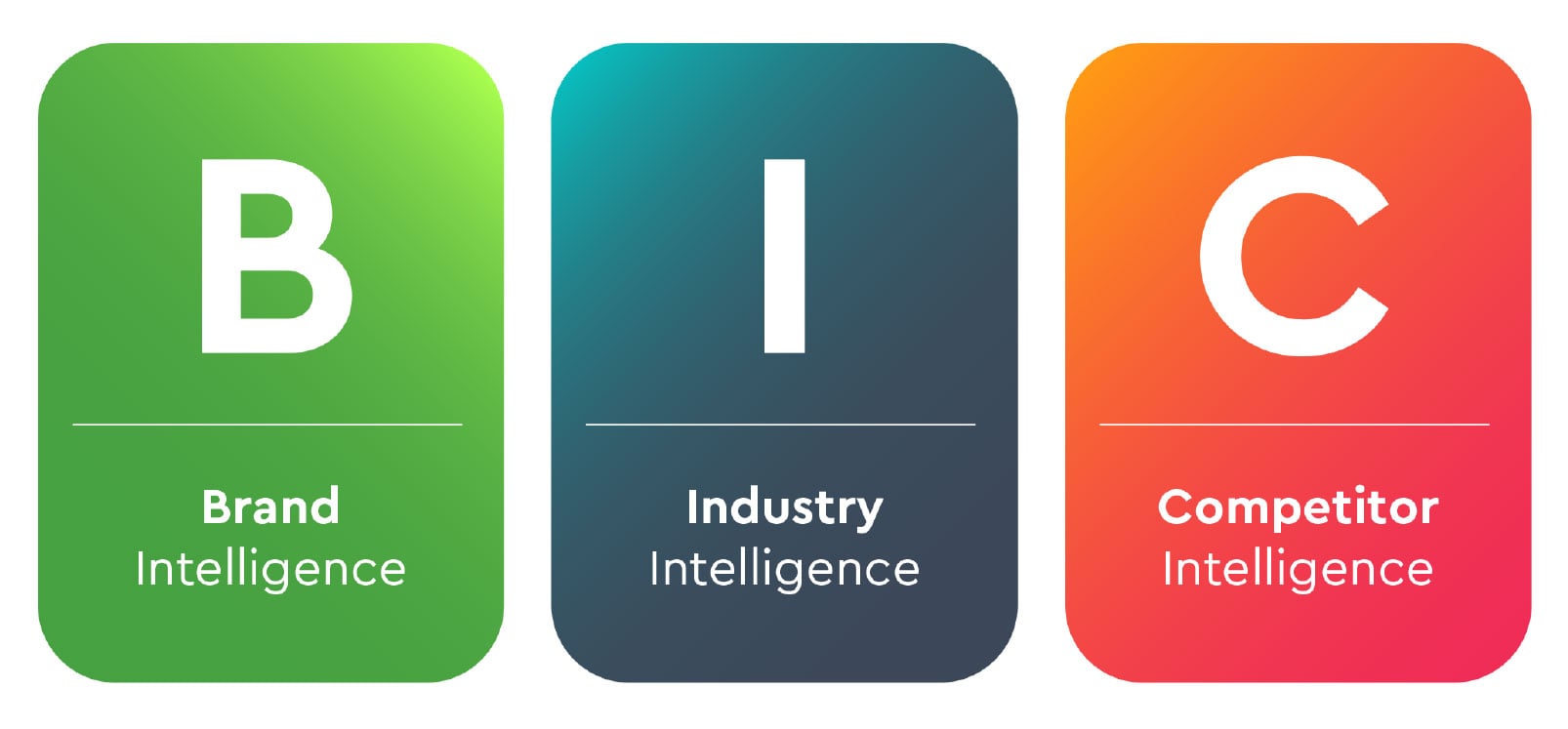
The BIC Framework
Three areas where social listening actually moves the needle for marketers: Brand, Industry, and Competitor.
B — Brand Intelligence
Listen to what people say about your brand.
I — Industry Intelligence
Listen for what’s happening around your industry.
C — Competitor Intelligence
Listen to what people say about your top competitors.
WHAT’S INSIDE
Everything you need to run your first listening exercise
- The BIC Framework, broken down step by step
- A real example of turning a customer “ugh” into an opportunity to care
- Tool recommendations by team size, from free to enterprise
- The BIC Insight Map: a weekly worksheet for what to track, ask, and do
- Five signals that tell you your listening is actually working

56 messages

That’s what happened when Brother International’s social media customer care program started listening beyond @mentions. 56 complaints a month became 2,229, handled by the B Squared social customer service team, 365 days a year. Not just more conversations. More connection.
FAQ
COMMON QUESTIONS
Monitoring is reactive: it tracks direct @mentions and tells you what was said.
Listening is proactive: it captures dark mentions and sentiment across the wider conversation and tells you why, which is what a social customer service team needs to prioritize its response.
Yes. Most customer complaints never tag the brand by name, which means they never reach a support queue built only around @mentions. A listening strategy is how care teams find those conversations and respond before a customer gives up and moves on.
Yes. The full social listening workbook, including the BIC Framework and the weekly BIC Insight Map worksheet, is free from B Squared Media. Just enter your name and email below.
Ready to stop guessing?
Grab the free workbook and run your first listening exercise this week!
Social listening for social media customer care is the practice of tracking conversations about your brand, your industry, and your competitors, including the ones where customers never tag you directly, so your support team can spot and resolve issues before they escalate.