Customer experience doesn’t break during big launches. Instead, it breaks in small, real moments that customers actually remember.
Those moments either move someone forward with confidence or quietly erode trust. And many brands don’t realize what’s happening until it’s too late.
That’s the gap between designed experience and lived experience. And it’s exactly what came up in my conversation with CX expert Jeannie Walters on the Social Media CX Podcast.
Why “Good CX on Paper” Still Fails in Real Life
Most organizations believe they have customer experience handled.
They have journey maps. And they have mission statements and dashboards. But customers still get lost, literally and emotionally.
The problem? Those tools reflect internal logic, not real-world behavior.
Customers don’t move through experiences in neat stages. They’re distracted. Impatient. Multitasking. Living their lives while trying to get something done. That’s where customer experience moments of truth actually show up.
What Moments of Truth Really Mean in Customer Experience
Moments of truth aren’t dramatic blowups. They’re micro-interactions that either help a customer confidently take the next step or introduce hesitation, friction, or doubt.
Jeannie calls these micro moments, which matter more than most leaders realize.
- Missing signs.
- A confusing handoff.
- Delayed responses.
- Policies explained without empathy.
None of these feel catastrophic on their own. But stacked together, they quietly damage trust.
Customers rarely explain why they leave; they just stop trying.
Where Organizations Get CX Wrong First
The biggest CX mistake isn’t bad intent. It’s misplaced accountability.
Most employees aren’t evaluated on customer experience. They’re evaluated on efficiency, output, or compliance. So CX becomes “someone else’s job.”
That’s why many teams confuse process maps with journey maps, assuming that if something works internally, it must work for customers.
Guess what? Customers don’t care how your system works. They care whether they can move forward easily.
The Leadership Blind Spot: Small Friction Adds Up
One of the most common surprises leaders face during CX audits? The “obvious” things no one questioned.
- Customers getting lost.
- Instructions that only make sense to insiders.
- Workarounds teams normalize instead of fixing.
Nobody reports these issues directly. Customers just adapt or leave. That’s why frontline signals matter more than polished presentations.
If your customers keep asking the same questions, something upstream is broken.
Why Most CX “Strategies” Aren’t Strategies at All
Many companies confuse goals with strategy.
Wanting a higher NPS isn’t a strategy. Neither is tracking satisfaction scores.
A real customer experience strategy answers:
- Who are we to our customers?
- What promise do we consistently keep?
- What trade-offs are we willing to make?
For practical frameworks and insights on building a strong customer experience management strategy, see this article from Sprout Social.
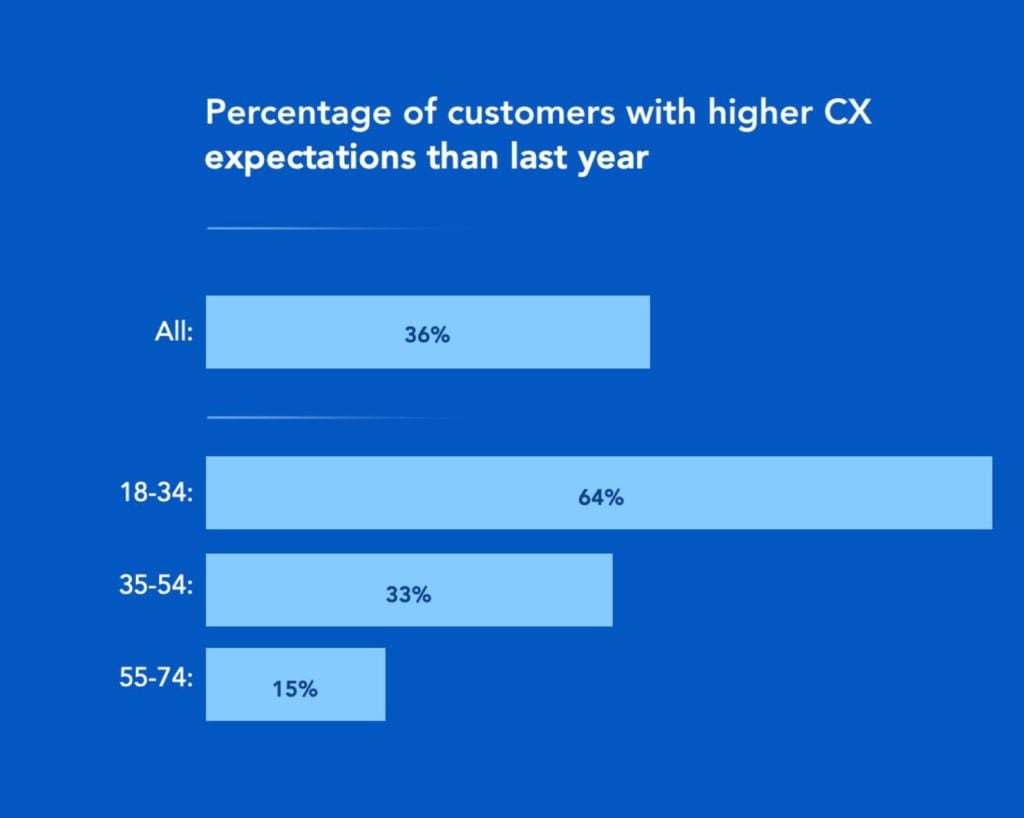
[Image Source = Sprout Social]
Mindset, Strategy, Discipline: The CX Framework That Works
Strong customer experience requires three things working together.
Mindset: Align Around Who You Are
If teams can’t articulate what your brand stands for in practice, customers feel it immediately.
Consistency builds trust. Guesswork erodes it.
Strategy: Focus on Outcomes, Not Metrics
Metrics measure progress. They aren’t the end goal.
Real CX strategy focuses on retention, effort reduction, and trust-building behaviors.
Discipline: Turn Insight Into Action
Journey mapping isn’t the deliverable. Behavior change is.
Mapping should expose friction and trigger decisions — not live in a slide deck.
People, Process, or Systems? It’s Rarely Just One!
Low CX scores often get pinned on frontline teams. That’s usually wrong.
When systems are broken, even great employees can’t fix the experience.
Disconnected platforms.
Manual overrides.
Policies that create delays.
Customers don’t care where the failure lives internally. They experience it as one brand.
Why Customers Turn to Social When CX Breaks
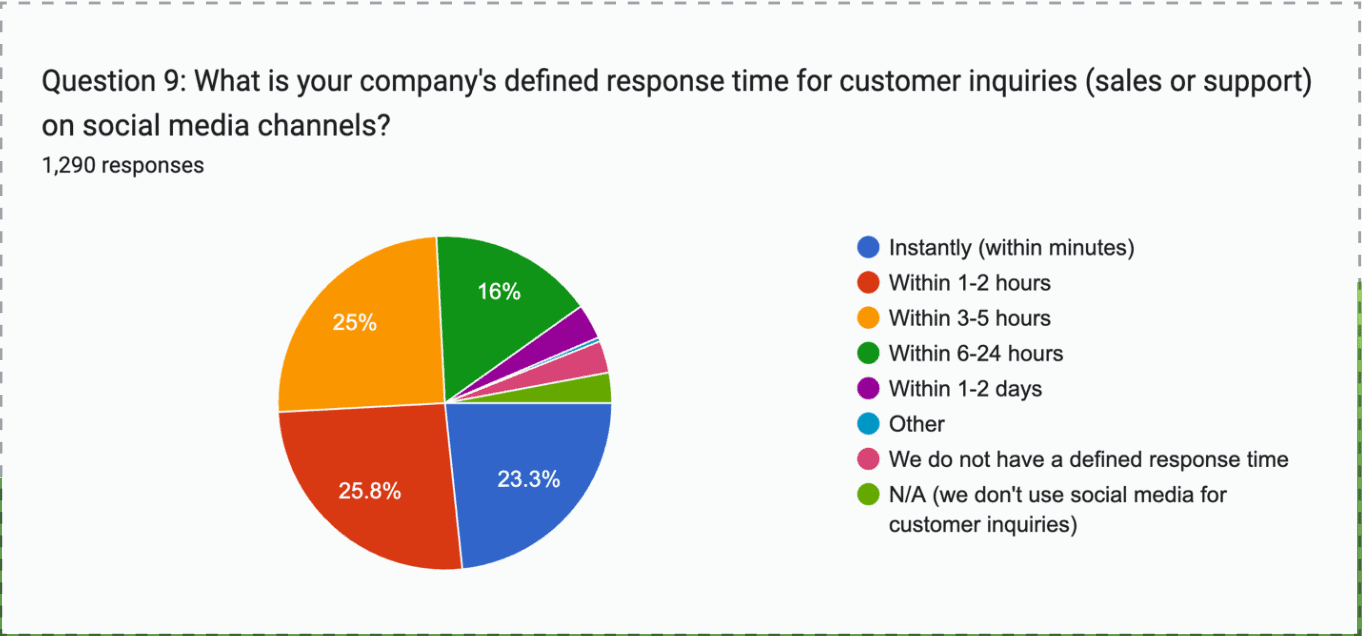
Social isn’t a separate channel to customers. It’s the fastest path to a human. When phone, chat, or email fails, customers escalate publicly. Not because they want attention, but because they want resolution.
That’s why having a dedicated social media support team matters when customer experience is tested in real time. And why social media customer experience is often a trust test.
Those delayed responses, your canned language, and confusing handoffs? All of it plays out in public where everyone is watching.
Authenticity Beats Perfection in Public Moments
Customers don’t expect miracles, but they do expect honesty.
They want:
- Clear explanations
- Real empathy
- Transparent boundaries
Brands that handle moments of truth well know exactly who they are, and how to show up consistently, even when the answer is “no.”
You don’t need to be everything to everyone, but you need to be reliable.
Fragmented Ownership Creates Invisible Friction
When CX responsibility is split across teams, customers feel it immediately.
“Wrong department.” “Different system.” “Try another channel.” In real life, that would never fly. However, digitally, it happens every day.
The more fragmented ownership becomes, the more customers do the work brands should be doing.
Fix Root Causes, Not Symptoms
High-performing teams resolve tickets and study patterns.
- Repeated questions aren’t noise, they’re insight.
- Escalations signal friction.
- Workarounds are red flags.
- Fixing root causes reduces cost, effort, and churn. All at once.
The State of Social Care 2026 breaks down how brands are using conversation data, social signals, and real-time feedback to identify friction before it escalates into churn or public trust loss.
Download The State of Social Care 2026 Report
Pro Tip: If your team spends time explaining how to “get around” a problem, you’ve already found something worth fixing.
Why Customer Journey Maps Miss Real Life
Customers aren’t following linear paths. They’re multitasking and they get interrupted often. They feel REAL emotions.
CX design that ignores real-world context creates friction fast. Respecting customers’ time and attention isn’t optional anymore; it’s foundational.
What Leaders Can Do Differently Tomorrow
In highly regulated environments, creativity still exists.
You may not be able to change policies, but you can change how they’re introduced, how they’re explained, and how teams are trained to guide customers through them.
Constraints don’t kill experience. Lack of empathy does.

FAQ: Customer Experience Truths
- What are customer experience moments of truth? They are key interactions that either build or erode trust, often through small, real-time experiences rather than major events.
- Why do small CX issues matter so much? Because customers rarely complain about every issue. They accumulate friction quietly and leave without explanation.
- How does social media impact customer experience? Social is often where customers go when other channels fail, making responses highly visible and trust-sensitive.
- Who owns customer experience in an organization? Ultimately, leadership does. Fragmented ownership creates inconsistent experiences that customers immediately feel.
Final Takeaway
Customer experience isn’t what you design. It’s what customers live through, moment by moment. If you want loyalty, fix the friction customers shouldn’t have to work around.
Want to go deeper?
What’s one small moment in your customer journey that might be quietly eroding trust right now? Let us know in the comments section below!

Latest posts by Brooke B. Sellas (See All)
- Customer Experience Truths Happen In Real Time - February 4, 2026
- Social Listening: The Problem Isn’t Your Tools! - January 28, 2026
- Predictive Social Care: The Mindset Shift Most Teams Need! - January 21, 2026