The fastest way brands lose revenue on social media isn’t bad content or low reach. It’s mislabeling intent.
When teams treat social care questions as support tickets, they quietly ignore some of the most valuable trust signals in the customer journey. That assumption is costing brands more than they realize.
Social care, done right, is the answer.
Why “That’s Just a Support Issue” Is So Expensive
There’s a phrase that sounds harmless inside many organizations: “That’s just a support issue.”
- It shows up when someone asks a question in the comments.
- When a DM arrives before a purchase.
- When a customer asks, “Is this right for me?”
On the surface, it seems logical. But labeling these moments as reactive support pushes them to the bottom of the priority list. And in doing so, brands miss what’s actually happening.
Most of these questions aren’t complaints. In fact, they’re trust checks.
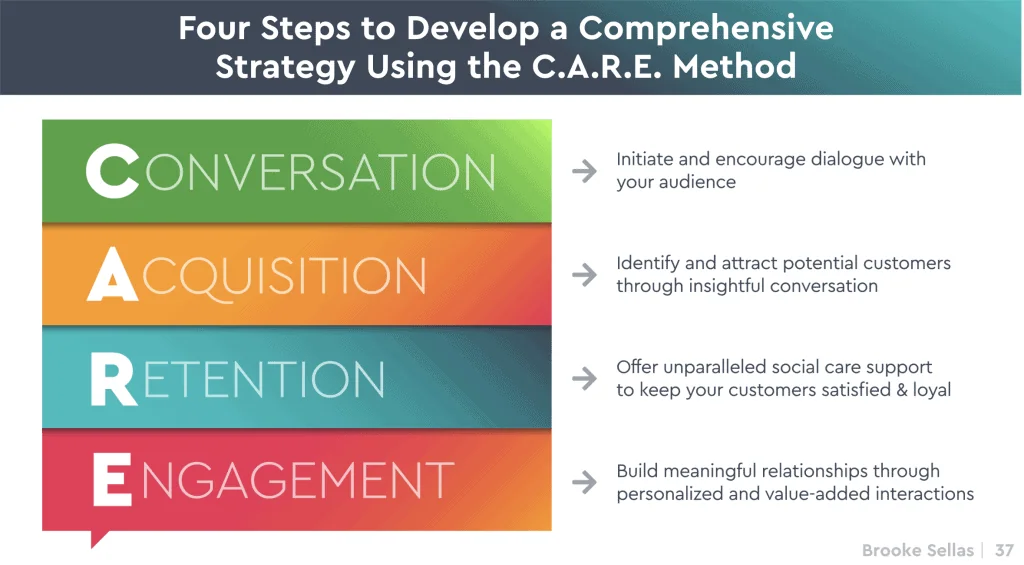
[Source: My LinkedIn Learning Course]
Social Care Happens Earlier Than You Think
For years, organizations have designed customer journeys as neat, linear paths.
Awareness → Consideration → Purchase → Support
Social care was slotted firmly at the end. After the sale. After any concerns or “damage control.” But customer journeys don’t work like that anymore.
Today, customers ask questions publicly. They validate decisions socially. Human beings look for reassurance before they ever convert. They don’t separate sales from support. They’re simply asking to be acknowledged and helped.
Customers have one burning question when it comes to choosing a brand. That question? Can I trust you?
Sprout Social digs even deeper into how social conversations influence business outcomes, in their article, The Impact of Social Media Across Every Part of Your Business.
Conversation Is the New Front Door
In our 2026 State of Social Care Report (available soon), this shift shows up again and again.
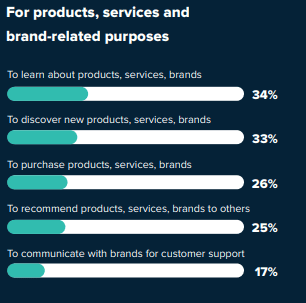
Journeys are moving upstream into conversation. Comments, replies, and DMs are no longer post-purchase cleanup. They’re pre-purchase decision moments. Social media is much more than a conversation channel, it plays a key role in the customer journey.
When brands miss that, they don’t lose revenue loudly. They lose it silently.
[Image Source: Porch Group Media]
A Social Care Case Study That Changed Everything
To understand how often this happens, we conducted a 90-day intent tagging analysis for Brother International.
Across four product divisions, every inbound social conversation was manually tagged using intent-based categories, including:
- Feature and specification questions
- Pricing inquiries
- Product comparisons
- “Where to buy” questions
- Explicit purchase intent
What we found surprised everyone.
What Intent Tagging Revealed
Between 50% and nearly 80% of all inbound social conversations were revenue-adjacent.
Let that sink in. Most of what had been treated as support was actually pre-purchase trust-building. In one division alone, nearly 80% of conversations signaled active consideration.
These weren’t broken products or frustrated customers. They were shoppers standing in the digital aisle asking: “Is this the right one?”
These Questions Were Always There
Nothing new suddenly appeared in the comments. The conversations didn’t change. What did change? Visibility.
Without intent tagging, these moments blended into general support. Once tagged, the pattern became impossible to ignore.
Revenue opportunities weren’t missing. They weren’t being recognized or followed up.
What Pre-Purchase Intent Actually Sounds Like
Pre-purchase questions don’t announce themselves as sales leads.
They sound like:
- “Does this work wirelessly with my Mac?”
- “Is this better for a small business or home use?”
- “Where can I buy this today?”
- “I had issues with my last printer. Will this fix that?”
When these questions are routed like tickets or measured only on speed, opportunity slips away quietly. You won’t see complaints. There are no escalations.
Instead, that prospect, that potential customer, moves down their list looking for the next brand who will respond correctly.
The Real Cost of Mislabeling Intent
When teams treat social care purely as a cost center, success is measured by speed, volume, and resolution. What’s missing is influence, trust, and revenue protection.
Your customer care and support teams are already doing this work. But, they’re just not being credited for the outcome.
Want to learn more about using social listening as a revenue-driving signal? Check out these 2025 social media trends from Hootsuite.
Social Care Is a Trust Engine
Social care is NOT post-purchase cleanup. It’s pre-purchase trust. And trust is what converts prospects into customers, and customers into repeat customers.
When brands adopt this mindset, several things change almost immediately.
- Pre-Purchase Questions Get Priority: Questions that signal consideration are no longer buried. They’re recognized as decision moments.
- Teams Collaborate Instead of Competing: Care, marketing, and sales stop operating in silos. They support the same outcome.
- Social Becomes Revenue-Influencing Infrastructure: Not a reactive channel. Not an afterthought. An asset!
Try This 7-Day Social Intent Experiment
For the next seven days, tag every social question that sounds like:
- “Does this…”
- “Can I…”
- “Is this right for…”
Then ask yourself two questions. Were these treated like support tickets? Or recognized as revenue opportunities?
You don’t need new dashboards. And you don’t need to invest in new software. You do need to train your team to recognize what’s sitting right in front of them, going untagged and lacking response.
Most teams are shocked by how much acquisition intent they’ve been sitting on without realizing it.
Social Care Repair: What To Do Next
If this reframing feels uncomfortable, that’s a good sign. It’s time to take the next steps.
It all starts with the same shift. Conversation and trust must be the primary focus. Only then can revenue, and possibly repeat revenue, follow.
What signals are you currently labeling as “just support,” and what might change if you looked at them differently? Let us know in the comments!
Listen to the episode, now:
FAQ’s About Social Care Lies Brands Tell Themselves
1. Isn’t that just a support issue? Many brands tell themselves that social care is “just support,” so it gets pushed to the bottom of the priority list instead of treated as part of the revenue engine. In reality, a huge share of comments and DMs are not complaints at all, but pre-purchase trust checks that influence whether someone buys or quietly walks away.
2. If it’s in the DMs, it can’t be real revenue intent… right? Another lie is assuming that if a question shows up in DMs or comments, it is purely troubleshooting and not a buying signal. Questions like “Does this work with X?”, “Is this right for Y?”, or “Where can I buy this?” are classic examples of revenue-adjacent intent hiding inside social care queues.
3. Doesn’t social care only start AFTER the sale? Many teams still map social care to the end of the funnel, as if it only matters once something goes wrong post-purchase. Today, customers use social care upstream—to validate decisions, compare options, and test whether a brand will actually show up for them before they commit.
4. Isn’t a social care team a cost center, not a growth driver? Labeling social care as a pure cost center is another story brands tell themselves to justify under-resourcing it. When you properly tag intent, a large portion of “support” questions turn out to be revenue-adjacent conversations that protect pipeline, increase conversion, and prevent churn.
5. Won’t we need new tools to treat social care as revenue? Teams often insist they need new platforms and dashboards before they can treat social care as a revenue channel. In practice, even a simple 7-day experiment tagging “Does this…”, “Can I…”, and “Is this right for…?” questions will expose how much acquisition intent is already sitting in existing queues, unseen and uncredited.

Latest posts by Brooke B. Sellas (See All)
- Customer Experience Truths Happen In Real Time - February 4, 2026
- Social Listening: The Problem Isn’t Your Tools! - January 28, 2026
- Predictive Social Care: The Mindset Shift Most Teams Need! - January 21, 2026