Marketers love to track social media engagement. We celebrate likes, shares, and comments. But here’s the hard truth: engagement alone doesn’t drive business results.
However, understanding intent does.
What Does Analyzing Intent On Social Media Mean?
Analyzing intent on social media means going beyond the post to understand the why behind the words.
Is your customer asking a question because they’re ready to buy? Are they tagging you because they’re ticked off? Are they commenting just to be cheeky?

[Zappos is always a great brand to emulate!]
Intent analysis is about reading between the lines and tagging those social interactions based on the customer’s emotional and behavioral signals (not just the literal text).
So instead of treating every DM, comment, or mention the same, you’re assigning PURPOSE:
- Acquisition (they wanna buy, aka buying intent)
- Retention (they’re already a customer)
- Complaint (they’re not happy)
- Praise (cue confetti)
- Spam (delete!)
This is how you turn conversations into conversions. It helps your team prioritize, personalize, and prove ROI.
And if you’re still poo-pooing on social media ROI, you need to take (several) seats.
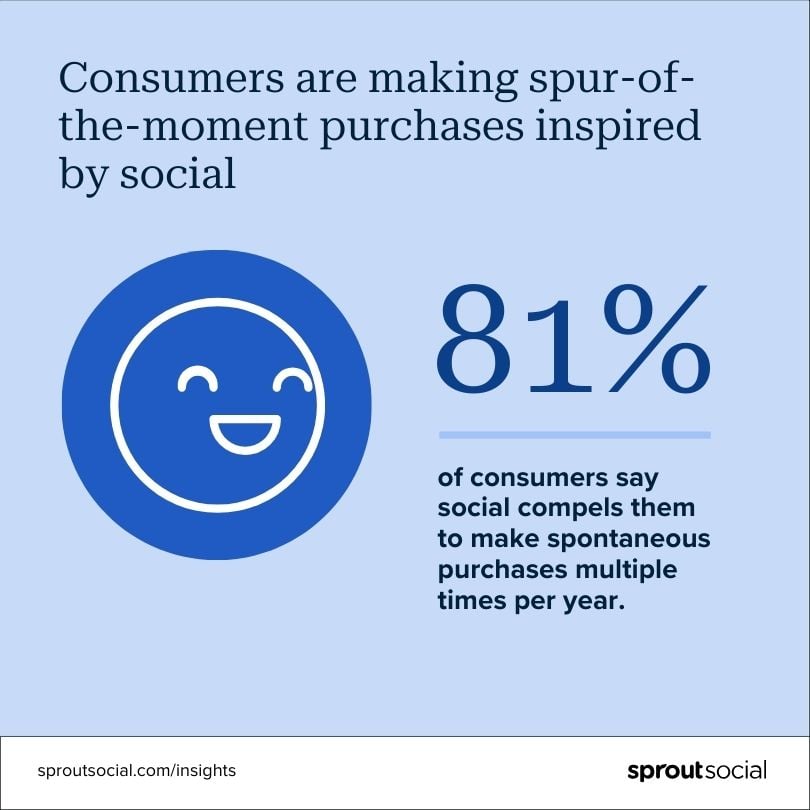
And, let’s be real: if you’re not analyzing intent, you’re basically blindfolded on social.
Next, let’s break it down into a 5-step process for you implement.
Step 1: Collect Social Media Engagement Data
First, let’s start with a question. Marketers, are you REALLY listening to your audience?
Most brands track engagement, but not enough track intent. And it all starts with collecting the right data.
If you’re only looking at likes and shares, you’re missing the signals that drive real action.
Here’s how to dig deeper …
What to Track (Beyond Surface-Level Metrics)
- Comments: Are people asking questions, sharing pain points, or debating your content?
- DMs & Private Messages: Are customers seeking personalized help or sales info?
- Brand Mentions (Direct & Indirect): Are conversations happening about you that you’re not part of?
- Replies to Your Posts: Are they seeking clarity, challenging ideas, or expressing frustration?
As a reminder, here’s the difference with direct and indirect mentions with Apple Music as the example. On the right, they are not @mentioned, and therefore, that’s an indirect mention.
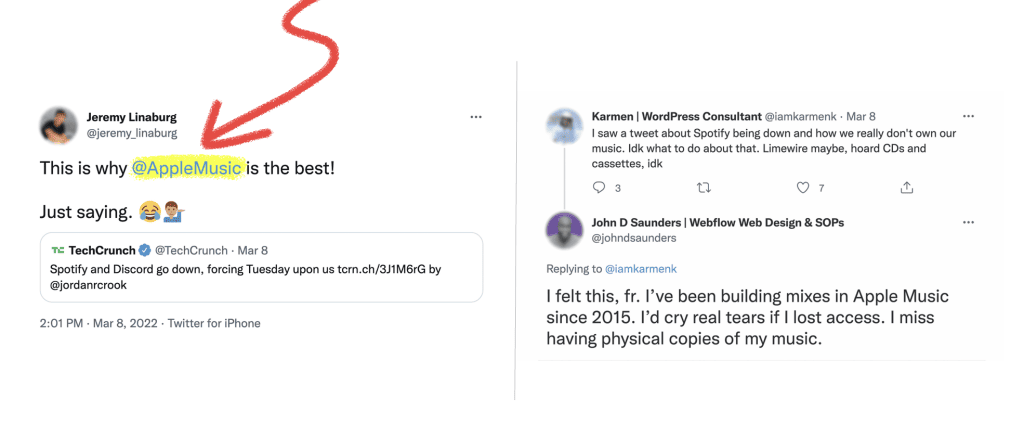
[Tip: Indirent mentions don’t show up as a notification unless you’re using social listening!]
What to Pay Attention To
- Questions: People asking “How does this work?” or “What’s the difference between X and Y?” are already in a decision-making phase.
- Complaints: Frustration isn’t just a support issue—it’s a roadmap for improving your product or messaging.
- Praise: What are customers loving? Double down on what’s working.
Pro Tip: Set Up a Simple Tagging System
To make sense of all this data, creating a labeling or category system that helps you distract the signal from the noise. Start by categorizing interactions by intent type:
- Interest (Exploring your product)
- Need (Experiencing a pain point)
- Comparison (Evaluating options)
- Purchase Signals (Asking about price, features, or next steps)
- Support (Experiencing issues)
Once you start tracking engagement this way, social media becomes more than just a brand awareness tool—it becomes a goldmine of customer insights.
Ask yourself: Are we going deeper with social media engagement data?
Step 2: Categorize Engagement by Intent Type
You’re tracking social media engagement… but are you categorizing intent?
Social media engagement isn’t just about volume, it’s about why people are interacting with your brand. Once you collect comments, DMs, and mentions, the next step is sorting them by intent, which I’ve laid out for you in Step 1.
Below, I’ll show you how to break it down even further for deeper analysis.
5 Types of Social Media Intent (And How to Spot Them)
Interest (Top-of-Funnel)
- Signals: “This looks interesting!” | “I love this concept.” | “How does this work?”
- What It Means: They’re intrigued but not ready to buy yet.
- Your Move: Respond with education—direct them to content, case studies, or a soft CTA. DO NOT SELL yet.
Interest does not equal intent!” ~ Brooke Sellas
Need/Pain Point (Problem Awareness)
- Signals: “I wish there was an easier way to…” | “I struggle with…”
- What It Means: They have a problem and might need your solution.
- Your Move: Don’t sell—empathize. Offer insights, ask follow-up questions, and position yourself as a helpful resource.
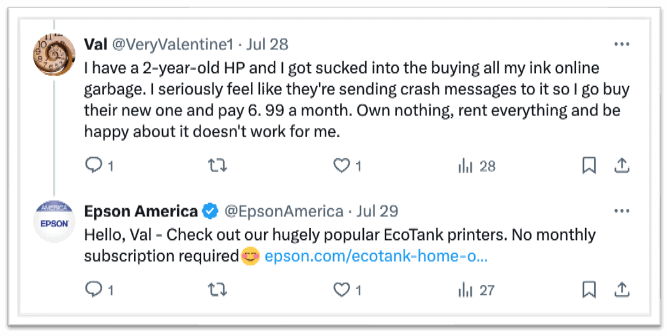
Oh, and uh, don’t let your competitors empathize on your behalf. Ouch.
Comparison Shopping (Mid-Funnel)
- Signals: “What’s the difference between this and X?” | “Why should I choose you over [competitor]?”
- What It Means: They’re actively evaluating options.
- Your Move: Highlight differentiators, share social proof, and offer a direct comparison (without trash-talking competitors).
Purchase Signals (Bottom-of-Funnel)
- Signals: “How much is this?” | “Where can I buy?” | “Do you offer a trial?”
- What It Means: They’re ready to take action.
- Your Move: Make the next step crystal clear—drop a direct link, offer a discount, or get them on a call ASAP.
Support Requests (Post-Purchase)
- Signals: “I’m having trouble with…” | “How do I use this feature?”
- What It Means: A chance to turn a problem into a positive brand experience.
- Your Move: Solve fast, exceed expectations, and use insights to improve FAQs or onboarding.
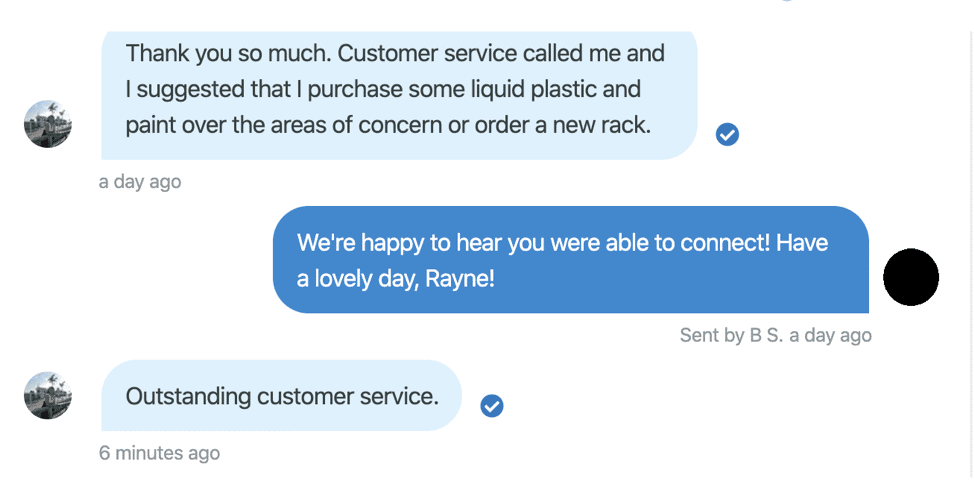
For example, here’s an time when we escalated a customer question to internal customer support and were able to not only save the customer money (paint vs new part) but also got a shout out for excellent customer service.
[Source: Our amazing community managers!]
Pro Tip: Automate & Scale
- Set up social listening alerts for keywords tied to each intent type.
- Use a tagging system in your CRM or social media tool to track patterns.
- Train your team to recognize intent in real-time and respond strategically.
Engagement is a conversation—but intent is the key to conversion.
Ask yourself: Are you categorizing social engagement, or treating all interactions the same?
Step 3: Analyze Language for Emotional Cues
Let’s be real: tone is everything. On social, where nuance is often lost in translation, emotional cues are your cheat code for context. Is that “thanks” laced with sarcasm? Is “LOL” masking frustration? (Spoiler: it sometimes is.)
By analyzing emotional cues — like urgency, excitement, confusion, or straight-up rage — you can quickly assess how someone feels, not just what they’re saying. This is CRUCIAL for routing the convo correctly.
- A customer saying “I’ve asked three times already” isn’t just giving feedback — they’re signaling escalation.
- A potential buyer saying “This looks AMAZING” is an acquisition opportunity begging for follow-up. It could also be user-generated content.
- A current customer tweeting “Wow. Just wow.” might need damage control, stat. Or, hopefully, it’s a good thing and they just forgot the exclamation point!
The bottom line? Emotional cues help you respond like a human — with empathy, relevance, and better outcomes. Don’t just listen to what they say. Feel what they mean.
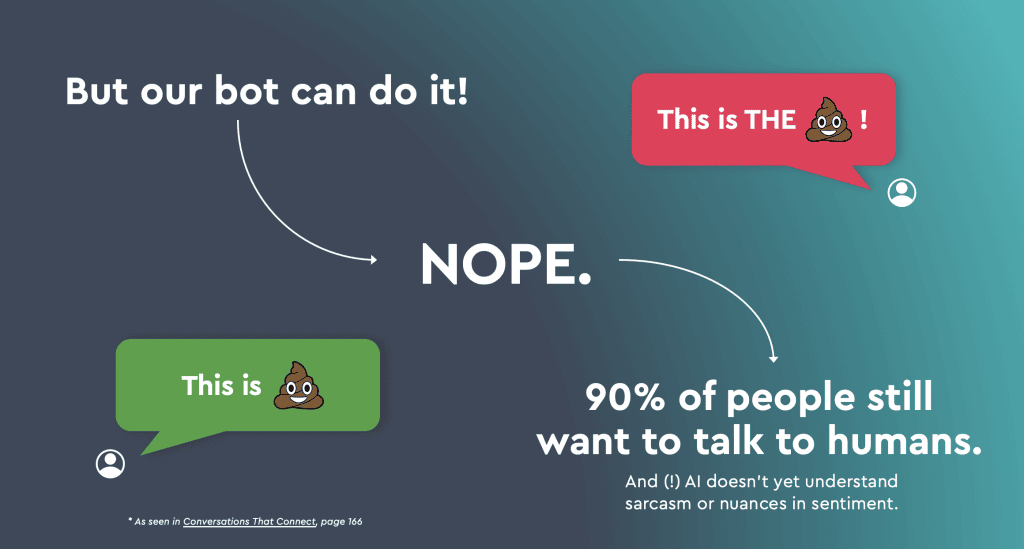
Yes, a bot can do a lot of this. But, they still don’t do nuance well. Bot at your own risk!
[Source: Conversations That Connect]
Want to REALLY understand your audience? Start analyzing the emotions behind their words.
Tracking engagement and categorizing intent is step one. But if you’re not paying attention to how people express themselves, you’re missing the deeper insights that drive action.
Here’s how to decode emotional cues in social media engagement (and what to do with them):
Common Emotional Cues & What They Reveal
1) Urgency
- What It Looks Like: “I need this ASAP.” | “Can someone help me right now?”
- What It Means: High intent, high stakes. They need a solution, fast!
- Your Move: Respond immediately. Offer direct support, a quick call, or an easy next step.
For example, Drew is telling the world why NOT to buy from the mentioned brands. Booking.com replied, but do you think it was enough?

2) Frustration
- What It Looks Like: “Ugh, why is this so complicated?” | “I’m so tired of dealing with this.”
- What It Means: A pain point that’s screaming for a solution.
- Your Move: Acknowledge their frustration, offer a fix, and gather insights to improve your product or process.
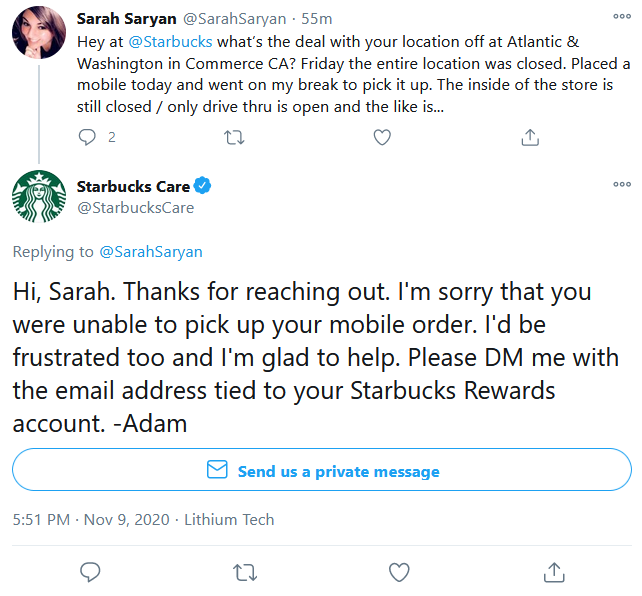
Here’s another real-world example – and personally, I think Starbucks did a much better job!
3) Curiosity
- What It Looks Like:“How does this compare to X?” | “What’s the best way to do this?”
- What It Means: They’re open to learning and considering options.
- Your Move: Educate them! Share content, FAQs, or case studies that answer their question while subtly positioning your brand.
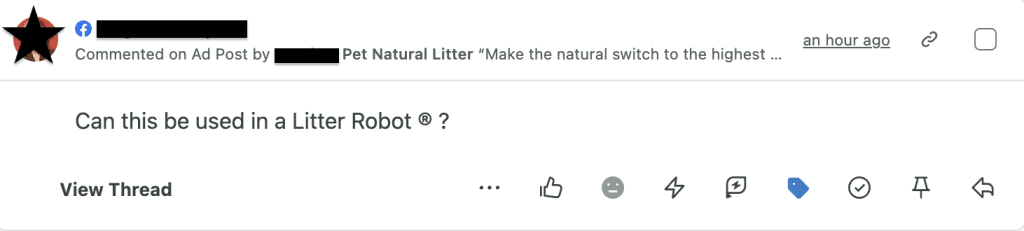
I’ve used this example several times, and this is great use case for what curiosity looks like. This person asked this question on a social media ad selling kitty litter. Sounds like intent with curiosity to me!
4) Excitement
- What It Looks Like: “This is amazing!” | “I love this product!”
- What It Means: A potential brand advocate (or sale) in the making.
- Your Move: Engage, thank them, and encourage user-generated content or referrals.
5) Hesitation
- What It Looks Like: “I’m not sure if this is worth it.” | “I like it, but…”
- What It Means: There’s an objection you need to overcome.
- Your Move: Address concerns with social proof, testimonials, or a risk-free offer (like a demo or free trial).
Pro Tip: Track Patterns, Not Just One-Offs
- If multiple people express urgency, do you need a faster response system?
- If frustration keeps coming up, is there a recurring issue to fix?
- If people are hesitant, what objections can you preemptively address in your content?
Social intelligence for intent isn’t just about words—it’s about why those words are being said. When you analyze emotion + intent, you don’t just engage customers, you connect with them!
Ask yourself: Are you reading between the lines, or just responding at face value?
Step 4: Respond with Value, Not Just Replies
Brands don’t lose customers just because they don’t respond. They also lose them because they don’t respond with VALUE.
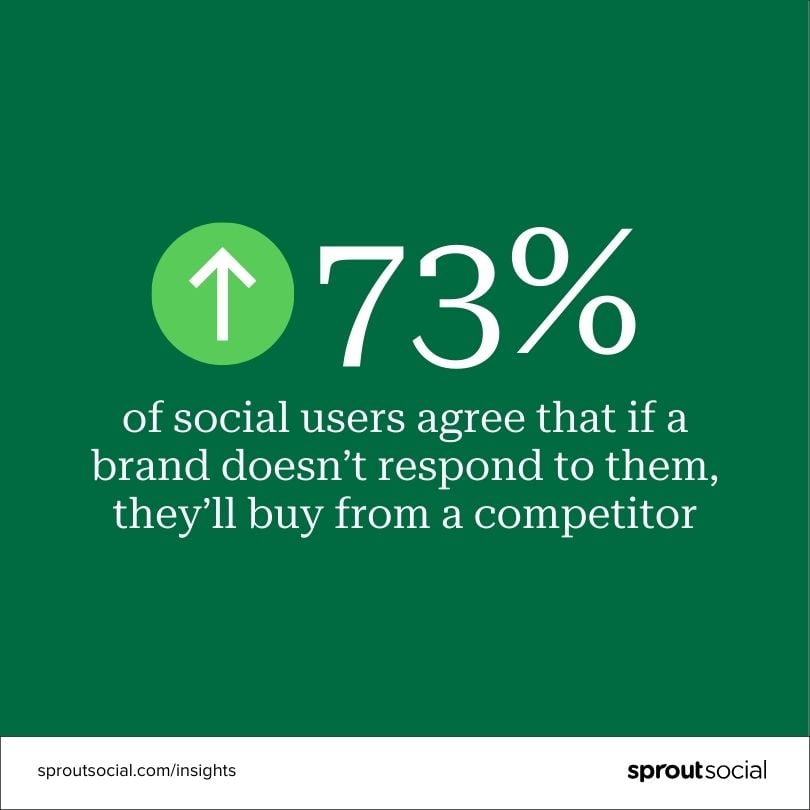
To recap, here’s where we are so far. You’re:
- Tracking engagement.
- Categorizing intent.
- Analyzing emotional cues.
Now comes the real magic: Turning responses into relationships (and revenue).
Here’s how to match your replies to intent and drive action:
How to Respond Based on Intent
1) Interest (Top-of-Funnel)
- Example Comment: “This looks cool! How does it work?”
- Wrong Response: “Thanks for your comment!” (👎 No value.)
- Right Response: “Great question! Here’s a quick breakdown [insert link]. What’s your biggest challenge right now?” (✅ Adds value + starts a convo.)
2) Need/Pain Point (Problem Awareness)
- Example Comment: “I hate dealing with [problem].”
- Wrong Response: “Sorry to hear that!” (👎 A dead-end reply.)
- Right Response: “We hear this a lot! Here’s how [product/service] solves that problem for others: [insert quick tip or case study]. Would love to hear what you’ve tried so far!” (✅ Shows empathy + offers a solution.)
3) Comparison Shopping (Mid-Funnel)
- Example Comment: “How does this compare to [competitor]?”
- Wrong Response: “We’re the best!” (👎 No proof, sounds salesy.)
- Right Response: “Great question! Here’s a side-by-side breakdown of key differences: [insert link]. What’s most important to you—price, features, or ease of use?” (✅ Provides useful info + personalizes the conversation.)
4) Purchase Signals (Bottom-of-Funnel)
- Example Comment: “How much is this?”
- Wrong Response: “DM us for pricing.” (👎 Adds friction, slows down the sale.)
- Right Response: “Our pricing starts at [X], and we offer [discount/trial/demo]. You can check it out here: [insert link]. Let me know if you have any questions!” (✅ Removes friction + makes the next step easy.)
5) Support Requests (Post-Purchase)
- Example Comment: “I’m having trouble with [feature].”
- Wrong Response: “Contact our support team.” (👎 Makes the customer do the work.)
- Right Response: “I’m happy to help! Here’s a quick fix: [insert answer]. If that doesn’t work, our support team is ready to assist here: [insert link].” (✅ Solves fast + shows you care.)
6) Pro Tip: Speed + Personalization = Impact
- Fast responses show customers you value their time.
- Personalized replies make them feel heard and understood.
- Clear next steps reduce friction and drive action.
Social media isn’t just a broadcast tool—it’s a customer experience channel. Every reply is an opportunity to convert, retain, or delight.
Ask yourself: Are you just replying, or are you responding with value?
Step 5: Track & Optimize Your Social Media Engagement
The difference between good social media engagement and GREAT engagement? Tracking, learning, and optimizing.
That being said, you must follow steps 1-4. Which means …
- You’ve collected engagement data.
- You’ve categorized intent.
- You’ve analyzed emotional cues.
- You’ve responded with value.
Next, let’s make this process smarter and scalable.
Here’s how to track and optimize your social media engagement strategy for continuous improvement:
Step 1: Set Up a Tracking System
1) Tag & Categorize Engagement
Use a spreadsheet, CRM, or social listening tool to log:
- Common questions
- Recurring pain points
- Objections that stall sales
- Support issues that keep popping up
- Purchase signals that need faster responses
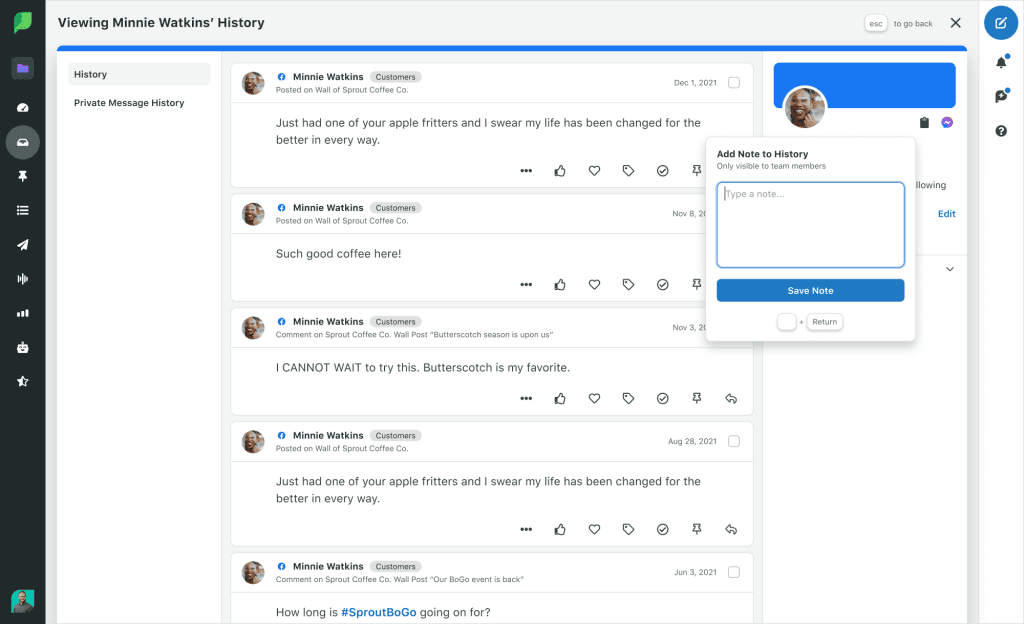
For example, Sprout Social has a social CRM feature within their tool that makes it easier to track engagement intent easily.
2) Measure Response Effectiveness
That means tracking:
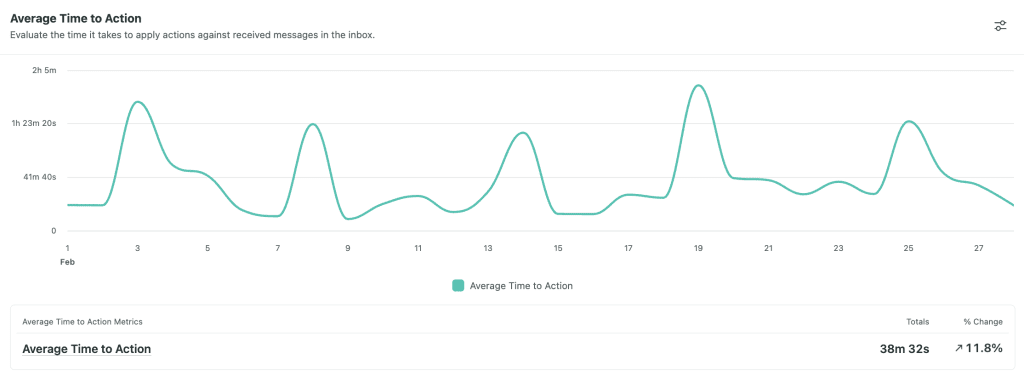
- Time to Response: Are you replying fast enough?
- Resolution Rate: Are issues being solved in one interaction?
- Engagement to Conversion: Are replies leading to clicks, sign-ups, or sales?
In our tool, Sprout Social, here’s what response time looks like. For this client, our response time is currently 38 minutes and 32 seconds.
Step 2: Identify Trends & Opportunities
Let’s follow an IF/THEN structure here.
IF: The same questions keep coming up? → THEN: Create FAQ content, tutorials, or pinned posts.
IF: You notice certain objections are killing conversions? → THEN: Address them upfront in marketing & sales messaging.
IF: One social media platform is driving higher-intent conversations? → THEN: Double down on that channel!!
Step 3: Optimize Your Social Engagement Strategy
- Automate the Basics: Use AI/chatbots for FAQs, but keep human responses for high-value interactions.
- Train Your Team: Ensure social managers & community teams recognize intent and respond strategically.
- Refine Content Strategy: Create posts that preemptively answer common customer questions & pain points.
Need help with team training? I’d love to be considered!

Step 4: Close the Loop Between Social & Sales
- Are your social media engagements starting to drive leads? Feed engagement data to your sales team.
- Do you see support issues trending? Flag them for product or service improvements.
- Are certain objections stalling sales conversions? Tweak your landing pages & messaging.
Finally, if you’ve made it this far, you now must realize social media isn’t just for engagement—it’s a data goldmine. The brands that track, learn, and optimize are the ones that win.
Ask yourself: Are you just responding, or are you improving with every interaction?
Social Media Engagement Is Only The Start!
By tracking engagement beyond vanity metrics, categorizing intent, reading emotional cues, and refining your responses, you turn social conversations into meaningful business opportunities.
Now, it’s your turn. How are you using social engagement data to drive real results?
Start by implementing these five steps, test what works, and continuously refine your approach. The more intentional you are with your social interactions, the stronger your relationships—and your revenue—will be.
Are you ready to go beyond likes and truly connect with your audience? Let’s make every conversation count, together.

Latest posts by Brooke B. Sellas (See All)
- Customer Experience Truths Happen In Real Time - February 4, 2026
- Social Listening: The Problem Isn’t Your Tools! - January 28, 2026
- Predictive Social Care: The Mindset Shift Most Teams Need! - January 21, 2026